It might be a bit premature, but as it looks like I’m moving into the year-end holidays a little early, I think this is as good a time as any to look back on my work life during 2022
Despite the ongoing pandemic, this was one of my most productive and exciting years as a translator and writer.
The biggest individual developments were two books. I signed a contract with Stone Bridge Press to publish my book Discovering Yamaguchi Sake in February, and signed with Pushkin to translate Akuma ga kitarite fue wo fuku/The Devil’s Flute Murders in June. Both books are coming out in 2023, and do feel free to buy as many as you want!
I also had a big year on other fronts that might break down a little more numerically.
I translated 285 pages worth of articles for Nippon.com, which is over 100,000 characters by their count.
As for other random website and article translations, it looks like I did over 450,000 characters worth.
I also wrote seven articles for outlets like Sake Today (upcoming), Sake Times, Nippon.Com, and AllAbout Japan.
I hosted online events, made connections, and generally made good use of my time. I also took some photography classes and started getting serious about learning to take proper pictures for my stories.
I plan to make use of all this experience in 2023 with a new book (I’m thinking pottery, this time), and hopefully another book translation.
Despite lots of chaos on the global scale, personally, 2022 was pretty good. I hope you can find a way to say the same.
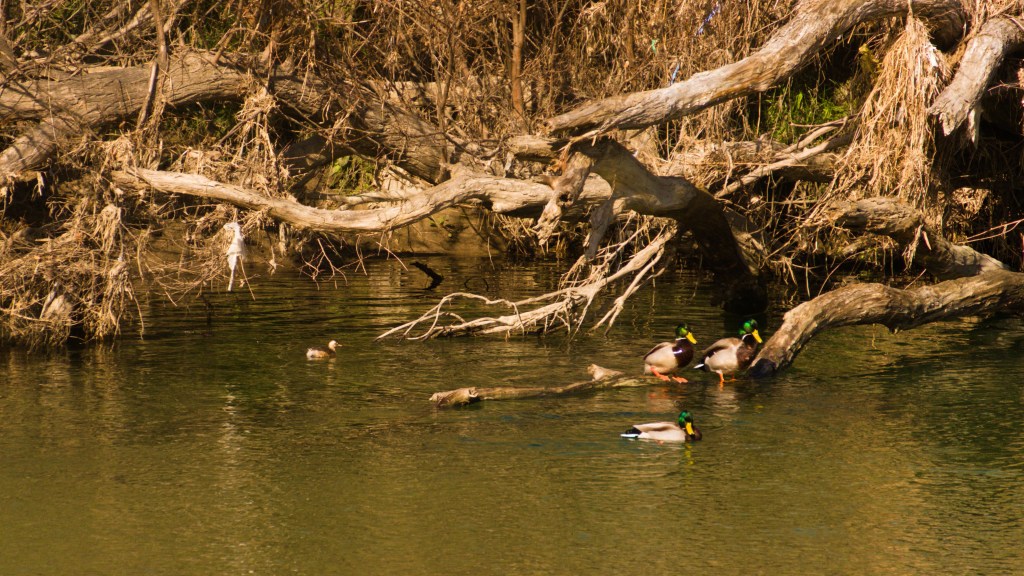
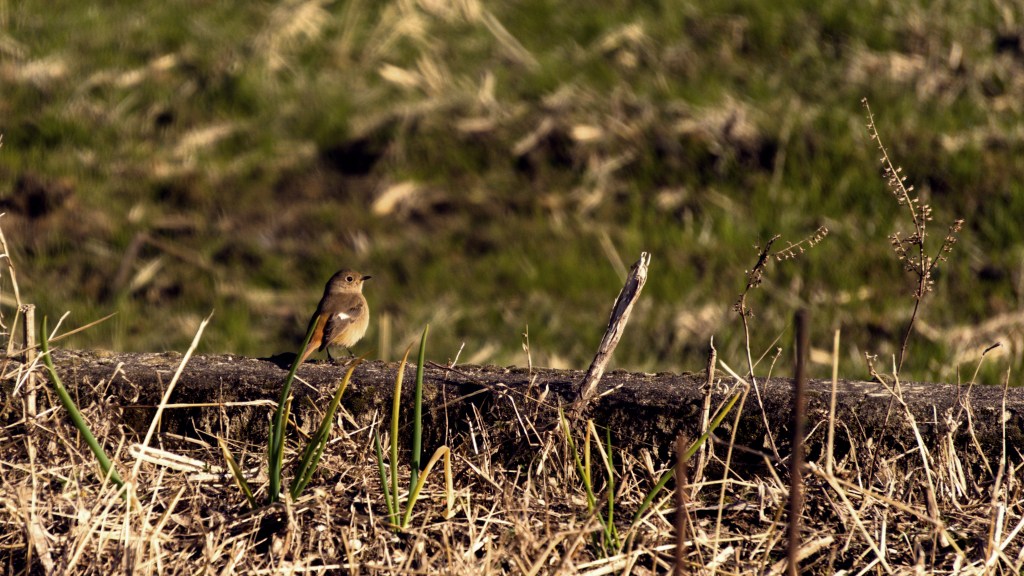
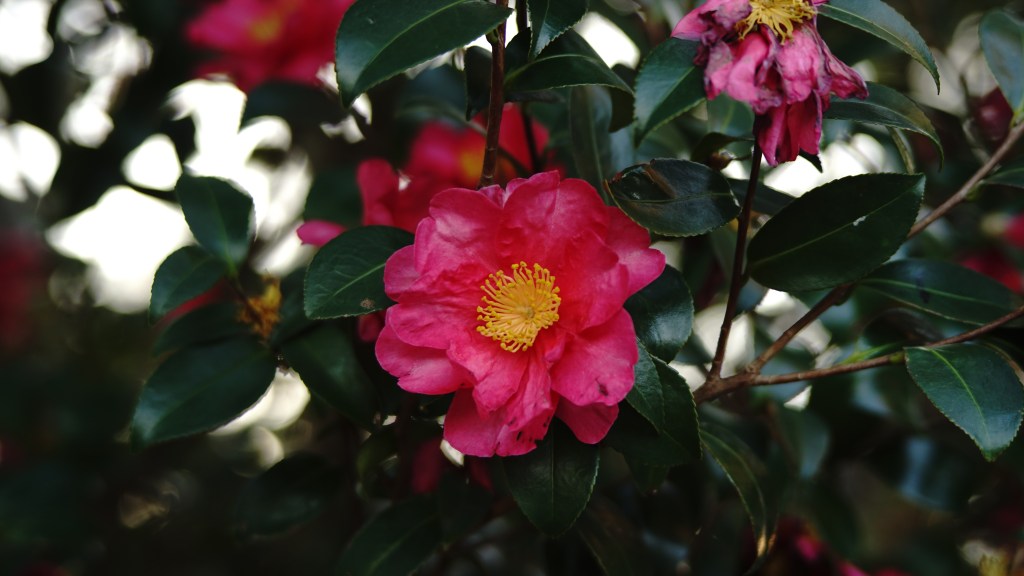
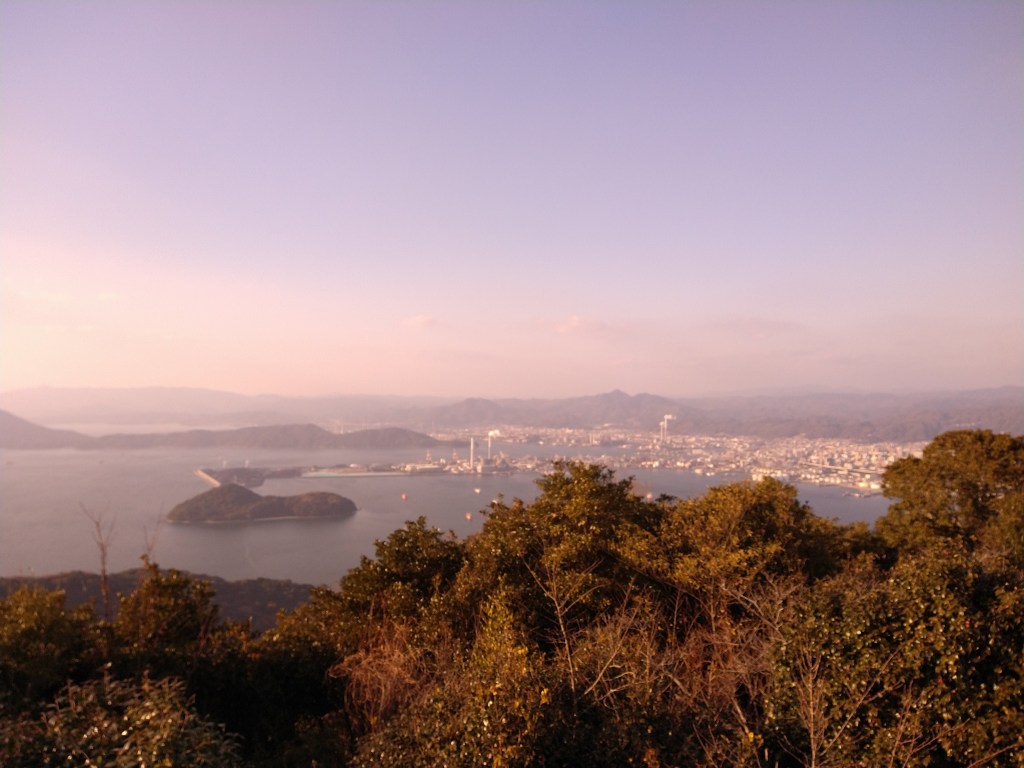
Yamaguchi has the pretty, is all I’m saying. Pictures include fall leaves at Kuroiwakyo (Black Rock Gorge) north of Hikari (pics 1-5), Hofu Tenmangu shrine (6-8), and the mountains around Heta outside of Shunan (9, 10).
A Sense of Place: A journey around Scotland’s whisky by Dave Broom Photography by Christina Kernohan
I first saw this book mentioned on the author’s Instagram, where he used something like the phrase “sense of place, not terroir.” That is what grabbed me. The growing ubiquity of “terroir” usage in drink writing is puzzling to me, because it is such a wine-centric term. Its core meaning, “the taste of the land,” makes sense for grapes but not for much else. That has encouraged people to make it mean, basically, whatever they want if it helps them sell some kind of very expensive processed agricultural good—from chocolate to, well, whisky. I am immediately suspicious of any use of the term outside wine, because it’s just become a stand-in for “this is different for reasons” as part of a sales pitch.
A sense of place, though? That, I can get behind. It’s not trying to dress itself up in fancy clothes. It’s honest about being a story. A story about a place, which has room in it for all kinds of things. People. History. Water. Land. Plants. Rocks.
A place is what we make of it. What we say about it. It’s a story.
And that is what this book is all about.
In this incredibly beautiful book (and it is among the most beautiful I have ever held—Kernohan’s photography is glorious), Dave Broom writes two hundred and fifty-odd pages worth of ode to Scotland. Its people. Its history. Its water. And yes, its rocks. He writes about whisky, yes, but what this book truly does is delve into what makes Scotch special to him, and that is its position within the communities around each bottle.
It’s a celebration of Scotch as more than a drink, as something else than the icon of capitalism it has seemingly become: it is a product of a community bound by shared land, shared history, shared culture, shared language. A cultural artifact.
The book is lyrical. Rhapsodic. At times gloomy, and at times filled with hope. The language is unabashedly Scots English—I have to admit I was grateful for the glossary in the back—and that is a lovely thing. The book touches on that, on how Gaelic was taken from so many Scots and how that was part of the Clearances that not only scarred Scotland’s culture, but in so doing shaped modern Scotch whiskey and the places it is from, and also how words influence not just how we speak, but how we perceive. How we taste things.
In a way, this book has fundamentally changed the way I think about whisky. I have to admit that, as a thoroughly common person with stubbornly low-class tastes, the fetishization and hyper-valuation of whisk(e)y turns me right off. As a beverage, I like it fine. It’s a delicious, complex, nuanced and exciting thing to drink in and of itself. But so much of the modern placing of it is about image, status, and wealth. At both ends—production and consumption—whisk(e)y has become a rich man’s game. And I mean all three of those words. The history of whisk(e)y in Scotland and Ireland, in particular, is one of capital, empire, and the forceful transformation of a common culture to a private one.
But here, Broom pokes at the cracks in that, revealing the humanity and love that maintains in even the largest of distilleries. Yes, they’re still massive monuments to capital, but there is also a reverence for craft, and a (re)growing respect for the farmers that once would have been making the drink. I found myself actually wanting a sip of single malt on finishing this book, something I very rarely feel these days. (Sorry, Dave, but it was Miyagikyo. No proper Scotch in the house, I’m afraid).
And he did it with such style! What a writer the man is. I found myself snapping pictures of sentence after sentence, almost wanting to shout with glee at the beautifully made points.
Let me also add, I am so happy and in favor of his persistent cheerleading for blended whisky. The fact that “whisky lovers” persist in looking down on 98% of the market is not only silly, it reeks of classist arrogance. Never poo-poo the cheap stuff.
It is no exaggeration, not even a hint of a lie, to say this is the book I wanted (want?) to write about sake. I am not the writer Broom is, nor is the English-language sake book market mature enough to have room for such a departure, but maybe someday.
Until then, I am grateful for this wonder of a book.
That’s how many books I’ve been editing this last week. What a strange, blessed life I live now.
It goes a long way to ease the pain of finding out that a super exciting possibility I was looking forward to early next year fell through. It is also a bit of salve on the loss of Twitter which, among all the bad, was also a pretty nice home on the net and a great way to reach a lot of people who seemed mostly pretty awesome.
If you are one of those people I connected with over there, do feel free to reach out elsewhere. I’m on Instagram at https://www.instagram.com/jim_and_jizake/, on Mastodon at @JimRion and, well, here.
In the mean time, back to the edits before I go on my first family vacation in literal years next week. See you on the flip side, yeah?
My translation of classic Kindaichi Kosuke mystery Akuma ga Kitarite Fue wo Fuku (Translated as The Devil’s Flute Murders) is done and off to the editors! It’s scheduled to come out from Pushkin Vertigo Press June 29, 2023.
This was an absolute joy to translate, though I worry about fitting into the legacy left by great translators like Louise Heal Kawai and Bryan Karetnyk. I also wish my name was on the cover, but alas…
This was by far the biggest fiction translation I’ve done. The the two books I did for Kurodahan Press (oh how we miss ye…) were smaller both in scope and, as very niche ones, overall social weight. They were fun, but somehow this one feels, just… more, somehow. More important, more meaningful, and more prestige, I suppose. I guess I have an ego, too…