
I think I have to finally admit it. I’m a John Hornor Jacobs fan.
The first book of his I read was Southern Gods, a sweaty, gritty myth of music and cosmic horror that I think I picked up in a bundle not long after its 2011 release. I remember enjoying it, and when I revisited it in later years it’s held up.
But I didn’t really plug into him as a name to watch for until I read The Incorruptibles, his alternative history/dark fantasy book of an infernal-powered Roman Empire in the Old West that he into a trilogy.
Since, I’ve enjoyed all the books of his I’ve read (which is all of them but The Twelve-Fingered Boy trilogy), especially A Lush and Seething Hell. There is something about the weight of his prose that makes it feel rooted deep, in history and myth and humanity, while still just being fun.
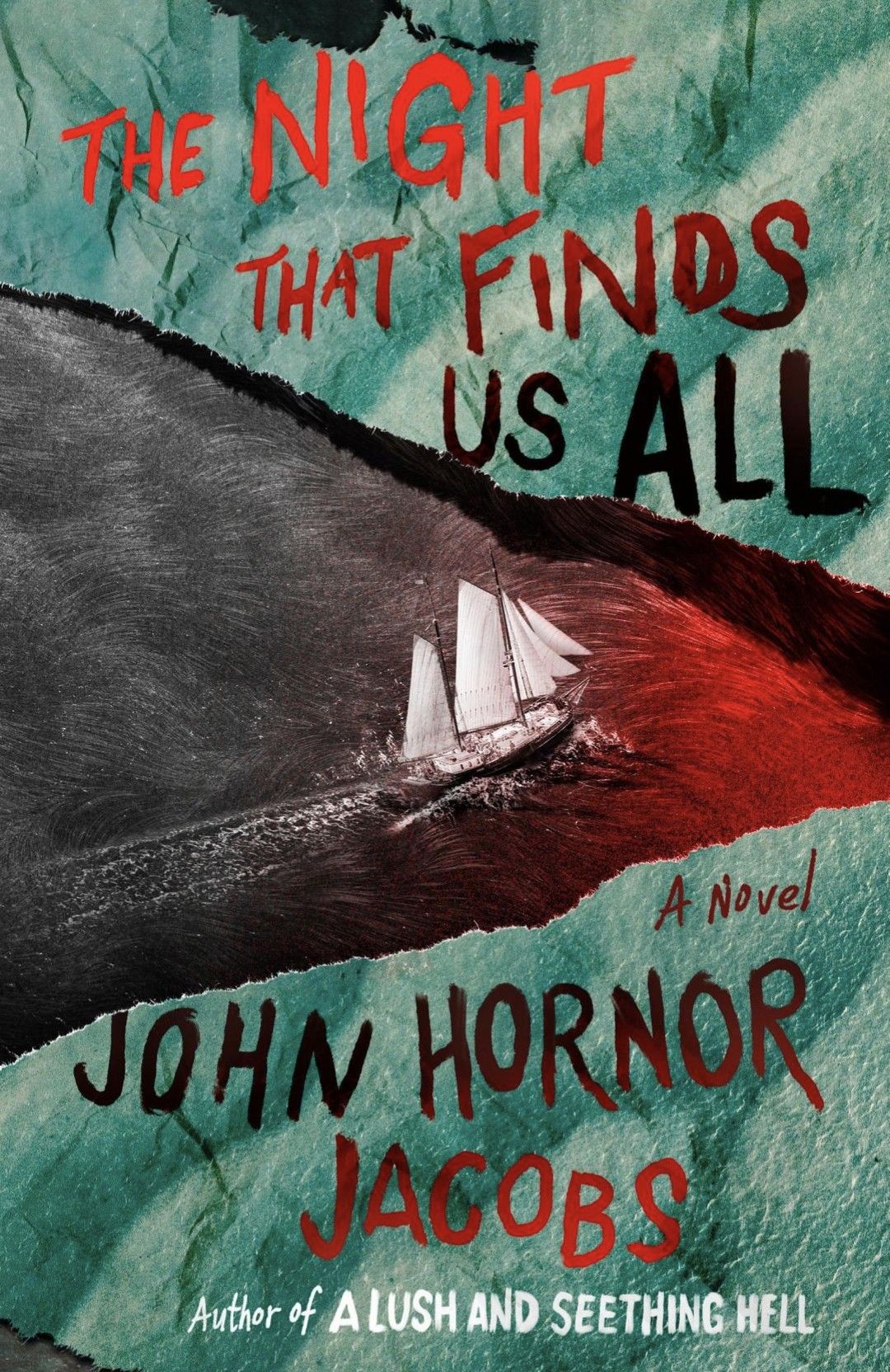
And so we come to his 2025 ocean-going cosmic horror The Night That Finds Us All.
It’s about Sam Vineworth (known affectionately as Sam Vines, which I would have bet was a Discworld nod but would have lost, according to the author), an alcoholic fuckup but he’ll of a sailor, recruited by a friend to help crew a century-old sailing ship from California to Britain.
The ship is, of course, much more than it appears. It has a shadowed history with more than a bit of blood, and it soon starts to prey on the crew.
Once again, Jacobs brings unpretentious flourishes of near-poetry.
I found myself thinking this voracious ocean came before mankind’s puny endeavors and will remain after, in some near future, eroding the shores and drowning the land and taking all our works with us, dragging them down to the bladderwracked mansions beneath the sea.
The bladderwracked mansions beneath the sea. God, what an image. Or…
The sky kills all the sea’s dreams.
This masterful imagery is matched by what I can only a scholar’s depth of nautical knowledge. Mizzens and reef sails and knots… It’s all here, and I’m not sure I understood it but I also duct think not understanding hurt at all. Because nothing hinged on those details, they only added in establishing that Sam, drunken mess that she is, knows her shit on a boat.
But be not afraid, this isn’t Moby Dick, with page-long paragraphs and endless digressions on marine wildlife. It’s a journey into a dark, cursed netherworld that’s full of dread and scares.
Another banger, in other words.



 Jim Rion - Translator & Writer