The Jason Ogg Theory of Luck

I’m a lucky guy, all in all. Bad things have happened in my life, but I’ve made it through them more or less intact. I have a loving, healthy family. A career that is basically ideal. And through it all, I’ve been able to experience the world in ways I never dreamed of.

I sometimes feel like I’m so lucky it’s kind of scary. Because luck can turn on you in an instant, can’t it? All this can disappear like a tears in the rain (IYKYN). That thought has haunted me in a very real way, and I think I’ve developed a weird psychological tick because of it.

The thing that made me understand my own way of interacting with life’s vicissitudes was a bit in one of Terry Pratchett’s Discworld books, about the blacksmith Jason Ogg. Because of the fundamental importance of a skilled blacksmith, and the magical nature of the Discworld, Jason Ogg can shoe anything. Donkeys, unicorns, even Death’s pale horse. But to have the power to shoe anything that comes to you for shoeing, you have to shoe anything that comes. If Death comes to you to shoe his horse, you shoe his horse. If your drunk friends bring an ant for shoeing as a joke, you shoe the ant. If you deny the request to use a power, you lose the power.

A blessing must be used, or you lose it. That is how I have come to interact with what I view as my luck. In practical terms, that means that if a chance that seems “lucky” comes along, I take it.

When someone emailed me years ago asking if I was interested in coming to Japan to teach English, I wasn’t, actually. But it seemed like a lucky chance, so I took it. And now I have lived in Japan, happily, for two decades.

When my barber asked if I wanted to go out to dinner with him and his niece, whom I had never met, I went. I married his niece a year later.

When my wife and I went for a walk one day in the neighborhood and saw a house with a for sale sign in the window, we took a tour and made an offer that day because it felt perfect to me. We’ve lived in it for almost 11 years now, and never plan to move.

This tendency of mine, to say “yes” to pretty much every major opportunity that comes down the line has also guided my career. It’s how I survived the bankruptcy of the English school I first worked at, it’s how I became a semi-regular TV guest, and it’s now guiding my literary translation work.

As if to reinforce the idea, the lucky chances keep coming, and I’ve not had to say “no” to any yet. That idea, that I have not had to say no, is perhaps the other half of my theory of luck. Because, if you want to say yes to opportunities, you need to be able to take them. You need skills, flexibility, time, attitude… You need to be open and prepared. Which is why I study things almost constantly, because you never know when you’ll need to know, oh, trends in the Japanese mystery publishing industry.

Anyway. I was just thinking about this, because sometimes I wonder what would have happened if I had said “no” to some of the things that have come along. But all in all, I’m glad I didn’t.


Setouchi Tsurezure #6 – Spring is Come

My sixth column for the local Setouchi Times newspaper was about my encounter with spring at a local park. It was one of my favorites, mostly for the pictures. I spotted a Longtailed Tit couple building a nest from spiderweb and moss, and while I was shooting pictures of them, a tanuki came waddling by. It was nice.


ๅ† ๆข…ๅœ’ใงๆ˜ฅใŒใ‚„ใฃใฆๆฅใ‚‹

ใƒฉใ‚คใ‚ชใƒณใ€€ใ‚ธใƒŸใƒผ

ๅ…ˆๆ—ฅใ€ๅคงๅฅฝใใชๅ† ็ทๅˆๅ…ฌๅœ’ใฎๆข…ๆž—ใธใŠๆ•ฃๆญฉใซ่กŒใฃใฆใใพใ—ใŸใ€‚ๆข…ใฎ่ŠฑใŒใ™ใงใซๆ•ฃใ‚Šใ€็ฉบๆฐ—ใŒใพใ ใพใ ๅ†ทใˆใฆใ„ใพใ—ใŸใ€‚ใใ‚Œใงใ‚‚่‡ช็„ถ็•Œใฎๆ˜ฅใฎ่ณ‘ใ‚„ใ‹ใช็ฉบๆฐ—ใ‚’ใตใ‚“ใ‚ใ‚Šใจๆ„Ÿใ˜ใ‚‹ใ“ใจใŒใงใใพใ—ใŸใ€‚้‡Ž้ณฅใฎใ•ใˆใšใ‚Šใ‚’่žใใชใŒใ‚‰ๅฑฑใ‚’็™ปใฃใฆใ€็€ฌๆˆธๅ†…ๆตทใฎ็œบใ‚ใ‚’ๅ‘ณใ‚ใฃใฆใ„ใ‚‹ใจใ€ใพใ ่‘‰ใฎ็„กใ„ๆœจใซๅฐใ•ใช้ณฅใฎๅ‹•ใใซๆฐ—ใ‚’ๅ–ใ‚‰ใ‚Œใพใ—ใŸใ€‚่ฆ‹ใ‚‹ใจใ‚จใƒŠใ‚ฌใงใ—ใŸใ€‚

ใ‚จใƒŠใ‚ฌใฏๅฐใ•ใใฆไธธใใฆใ€ใจใฆใ‚‚ใ‹ใ‚ใ„ใ„ๅฐ้ณฅใงใ™ใ€‚ๅค–ใ‚’ๆญฉใๅบฆใซใ„ใคใ‚‚ๆŽขใ—ใฆใ„ใพใ™ใ€‚ไปŠๅ›žใฎใ‚จใƒŠใ‚ฌใฏๅŒใ˜ๆ–นๅ‘ใธ่กŒใฃใŸใ‚ŠๆฅใŸใ‚Šใ—ใฆใ€ใใกใฐใ—ใซไฝ•ใ‹ใ‚’ๅ’ฅใˆใฆใ„ใ‚‹ๅงฟใ‚’่ฆ‹ใ›ใฆใใ‚Œใพใ—ใŸใ€‚

ใใ‚Œใงๆฐ—ใฅใใพใ—ใŸใ€‚ๆ˜ฅใฎๅทฃไฝœใ‚Šใ ๏ผ

ใใฃใจใ€ใใฃใจ่ฟฝใ„ใ‹ใ‘ใฆใฟใ‚‹ใจๆข…ใฎๆœจใฎ่‚กใง่œ˜่››ใฎ็ณธใจ่‹”ใงใ‚จใƒŠใ‚ฌใฎๅคซๅฉฆใŒไธ€็”Ÿๆ‡ธๅ‘ฝๅทฃใ‚’ไฝœใฃใฆใ„ใพใ—ใŸใ€‚ๅนธใ„ใซใ‚‚ใ‚ซใƒกใƒฉใ‚’ๆŒใฃใฆใ„ใŸใฎใงๅ†™็œŸใ‚‚ๆ’ฎใ‚Œใพใ—ใŸใ€‚

ใ€Œ่ฆชใŒๅญไพ›ใฎ็‚บใซ้ ‘ๅผตใฃใฆๅฎ‰ๅ…จใชๅฎถใ‚’ไฝœใ‚‹ใฎใฏๅคงๅค‰ใ ใชใ€ใจๆ€ใ„ใชใŒใ‚‰่ฆ‹ๅฎˆใฃใฆใ„ใพใ—ใŸใ€‚

ใ—ใฐใ‚‰ใใ™ใ‚‹ใจ่ฟ‘ใใฎ้“ใซๅคงใใช่Œถ่‰ฒใฎไฝ•ใ‹ใŒ้€šใ‚Š้ŽใŽใพใ—ใŸใ€‚

ใ€ŒไปŠๅบฆใฏใชใซ๏ผŸใ€ใจ่จใ‚ŠใชใŒใ‚‰ใพใŸใใฃใจใ€ใใฃใจ่ฟฝใ„ใ‹ใ‘ใพใ—ใŸใ€‚

ใ™ใ‚‹ใจใ‚ฟใƒŒใ‚ญใ•ใ‚“ใŒใŠใใ‚‰ใๅฐๅทใงใ‚จใ‚ตใ‚’ๆŽขใ—ใŸใ‚ใจใฎๅธฐใ‚Š้“ใงใ—ใŸใ€‚

ๅƒ•ใฎไบ‹ใ‚’ๅฎŒๅ…จใซ็„ก่ฆ–ใ—ใฆ่ฟ‘ใใฎๆคๆœจใ‚’ใ‚ฏใƒณใ‚ฏใƒณใ—ใชใŒใ‚‰ใฎใ‚“ใณใ‚Šๆญฉใ„ใฆใ„ใพใ—ใŸใ€‚ใใฎไธธใ„่ƒŒไธญใ‚’่ฆ‹ใ‚‹ใจใ€Œใตใฃใ€ใจ็ฌ‘ใฃใฆใ€ใพใŸๅ†™็œŸใ‚’ใ„ใฃใฑใ„ๆ’ฎใ‚‰ใ›ใฆใ‚‚ใ‚‰ใ„ใพใ—ใŸใ€‚

ใ“ใ‚Œใ‚‚ๆ–ฐ้ฎฎใช็ตŒ้จ“ใงใ‚ใ‚ŠใชใŒใ‚‰ใ€ใชใ‚“ใจใชใๆ‡ใ‹ใ—ใ„ๅ ด้ขใงใ‚‚ใ‚ใ‚Šใพใ—ใŸใ€‚

ๅƒ•ใฎๅฎŸๅฎถใŒใ‚ใ‚‹ใ‚ซใƒณใ‚ถใ‚นๅทžใงใฏๆฏŽๆ—ฅใฎใ‚ˆใ†ใซ้‡Ž็”Ÿๅ‹•็‰ฉใจ่งฆใ‚Œๅˆใˆใพใ—ใŸใ€‚ใงใ‚‚ๆ—ฅๆœฌใซๆฅใฆไปฅ้™ใฏๆป…ๅคšใซใชใ„ไบ‹ใงใ—ใŸใ€‚ใƒชใ‚นใ‚„ใ‚ฆใ‚ตใ‚ฎใ€้นฟใ€ใ‚ขใƒฉใ‚คใ‚ฐใƒžใชใฉใฎๅญ˜ๅœจใŒใชใ„ๅ…‰ๅธ‚ใฏใ‚ใ‚‹ๆ„ๅ‘ณใงๅฐ‘ใ—ๅฏ‚ใ—ใ„ใจๆ€ใ†ใ“ใจใ‚‚ใ‚ใ‚Šใพใ™ใŒใ€ใ‚ใฎๆ—ฅใ‚„ใฃใฑใ‚Šใ€Œๆ‡ใ‹ใ—ใ„ๅ‹•็‰ฉใŒใ“ใ“ใซใ‚‚ใ„ใ‚‹ใ‚“ใ ใ€ใจๆ„Ÿใ˜ใพใ—ใŸใ€‚

ๅฐใ•ใช็™’ใ—ใจใ—ใฆๆœ‰้›ฃใ„ใฒใจๆ™‚ใงใ—ใŸใ€‚

ใ“ใ‚Œใ‹ใ‚‰่‡ช็„ถ็•Œใฏใพใ™ใพใ™ๅ…ƒๆฐ—ใซใชใ‚‹ใจๆ€ใ„ใพใ™ใ€‚ๅ‹•็‰ฉใ‚‚ใ€ๆค็‰ฉใ‚‚ๅ‹•ใใ ใ—ใฆใ€ๆฎตใ€…ใจ็”Ÿๆฐ—ใ‚ใตใ‚Œใ‚‹ไธ–็•Œใซๆˆปใ‚Šใพใ™ใ€‚ใใฎๆ—ฅใ€…ใฎๅค‰ๅŒ–ใ‚’่ฆ‹ใ‚‹ใจๆ™‚้–“ใฎๆตใ‚Œใจๅญฃ็ฏ€ใฎ็งปใ‚Šๅค‰ใ‚ใ‚Šใ‚’ใ‚‚ใฃใจๆทฑใๆ„Ÿใ˜ใพใ™ใ€‚ไบบ้–“ใŒ่‡ช็„ถ็•Œใ‹ใ‚‰้›ขใ‚Œใฆๆšฎใ‚‰ใ™ใ‚ˆใ†ใซใชใฃใŸ็พๅœจใงใฏใใ‚ŒใŒๅฟ˜ใ‚Œใ‚‰ใ‚ŒใŒใกใฎไบ‹ใงใ‚‚ใ‚ใ‚Šใพใ™ใŒๅฟ˜ใ‚Œใกใ‚ƒใ„ใ‘ใชใ„ไบ‹ใ ใจๆ€ใ„ใพใ™ใ€‚

ไบบ้–“ใ‚‚ใ€่‡ช็„ถ็•Œใซ็ธใŒใพใ ใพใ ใ‚ใ‚Šใพใ™ใ€‚

็š†ใ•ใ‚“ๆ˜ฏ้žๅค–ใซๅ‡บใฆๅคง่‡ช็„ถใŒๆ˜ฅใ‚’่ฟŽใˆใฆใ„ใ‚‹ไบ‹ใ‚’่ฆณๅฏŸใ—ใฆใฟใฆใใ ใ•ใ„ใ€‚

ใใฃใจๅƒ•ใฟใŸใ„ใซ็™’ใ—ใ‚’่ฆ‹ใคใ‘ใ‚‹ใ“ใจใŒใงใใ‚‹ใจๆ€ใ„ใพใ™ใ€‚

20 Years

I stepped off the plane in Osaka on June 9, 2004. Though I didn’t know it yet, I was home.

A street scene in Japan.
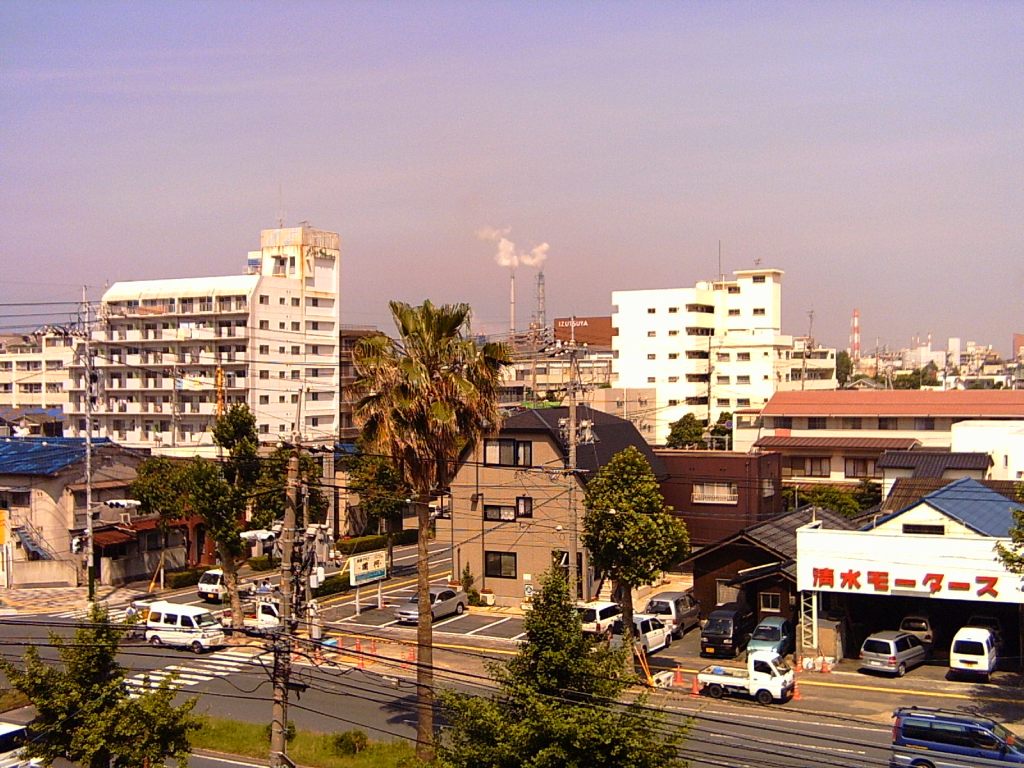
The view out my window in Ube, Yamaguchi, on June 10, 2004. My first morning in Japan.

My memories of that first day are blurry. I remember buying my first bottle of “Milk Tea,” syrupy sweet and delightful, at an airport kiosk. Riding the shinkansen for the first time, transferring to the local line, and being terrified I would miss my stop in Ube. Jetlag made that first day a hard one, but I awoke the next morning in JAPAN! It was pretty wild.

The big Shidax (now gone) down the road from my apartment made things easier…

My first Karaoke in Japan. Can’t you feel the passion?

It’s hard to really believe that I’ve lived in Japan for 20 years. I only lived in Kansas, where I was born and raised, for 18. I left the United States for good at 24 (spent a bit of time in Russia and Germany before I came to Japan). I see no reason for me to leave Japan in the future, so it really does seem that this is where my bones will rest.

Looking back on why that might be, I can only say that it feels right. I settled into Japan relatively easily, after the first couple of years. The obvious influence is my marriage (17 years and counting) but even the pace of life and basic values of Japan suited me quickly. Or, perhaps I should say this part of Japan, because Osaka and Tokyo are not for me.

The truly surreal thing is, coming to Japan was never even on my radar as a young man. Apart from a brief anime phase in college, I was not a big otaku or whatever. If anything, I was hoping to live in Europe, given my MA in German Language/Literature. But I was never much a one for plans. I was always the type who took what chances came my way, and the chance to visit Japan came my way.

I’m glad it happened. It’s a nice life for me, and has brought me a wonderful family to boot.

I’m lucky, and grateful.

But man. 20 years. That’s a long time, isn’t it?

Enough with the LLM BS, Already

I know that, in doing this, I contribute to the problem in its own way, but I simply can’t bear it anymore.

The AI frenzy I have seen among my fellow translators has to stop. It feels like I’m watching otherwise intelligent, literate folks suddenly spouting flat earth theory.

LLM/Generative AI/Whatever you want to call it doesn’t actually do what it says it does. It isn’t a useful tool. It doesn’t think, it doesn’t translate, it doesn’t explain. LLMs are sophisticated statistical algorithms that spit out words they got off the internet in “likely arrangements.” Any meaning that those words seem to have is provided solely by the reader. Any time you ignore the fact that nothing of what LLMs generate is rooted in factual reality, you are deceiving yourself. The idea that some part of the communication might be “wrong” is, in itself, a mistake. It’s all generated the same way, from statistical analysis and algorithmic generation. The good and the bad are both equally likely. Seemingly accurate BS and clearly inaccurate BS are both equally BS.

The industry calls LLM mistakes “hallucinations” but they’re really just expressions of the nature of the beast.

https://www.lakera.ai/blog/guide-to-hallucinations-in-large-language-models

The great success of LLMs is only in that they *feel* right, so no one really takes the time to check if they are, actually, so. It certainly seems amazing that the words string together in clear sentences that we can interpret as more or less connected to our prompts. But we are professionals at working with words. We should be holding our work to a higher standard that “Eh, it feels right.”

Because folks, there’s nothing under there. It’s empty. Let’s take a recent Facebook post froma a translator I saw. It was a query about the pros and cons of different translations of a tricky term. The results included sources, for example, and a lot of double talk that boiled down to “it all depends on the context.” If you actually took the time to read those sources, though, none of them actually supported any of the points of the response. They were just linked by including the terms in question. Sometimes. One of them was actually Vietnamese, which is odd given that the query was in English and talking about Japanese. But it had a (poor) English gloss of a phrase including the term, so… Source?

That is what LLMs *do*. They were trained not to be right, but to sound right. To be really convincing liars. (Which is actually a pretty easy thing to get away with when discussing elevated academic ideas, because they’ve been dominated by empty bloviating for decades, anyway. I’m sure LLM generated philosophy and linguistics papers are already filling journals, because no one ever read or understood that shit anyway.)

The trick of LLMs is, quite literally, a scam. As in, they seem to have evolved parallel to techniques designed specifically to fool people. The datasets were trained to generate sentences that felt right, rather than be right, by having them rated by non-expert users in developing nations. It is, as the kids say, all vibes. And the result is that the patterns are now set to be convincing, but nothing more.

You can see what I’m getting at here:

and here:

https://softwarecrisis.dev/letters/llmentalist/

The upshot is, if you adopt LLMs into your work flow, you are intentionally adopting a bullshit engine. Nothing that comes from an LLM should ever be trusted. There is no accountability for the inevitable errors and fabrications that they bring to your work. If ChatGPT were an employee, you’d fire them almost immediately for fraud. Which you would know if you applied critical thinking to the results you’re getting, rather than allowing the facade of legibility convince you that “The Machine Understands!”

What we as translators should be doing is not wondering how to use AI, we should be educating our clients about the dangers of trusting. Any work that is done by AI is without value. Literally. If the results of AI are good enough for a given task, it was never worth doing in the first place. Which is not to say that everything we do is equally valuable. Indeed, corporate boilerplate has always been BS, so a BS engine might, in fact, be exactly what you need to do that. Whether you feel comfortable engaging in that cycle is another matter.

And that’s not even getting into the heavy environmental cost of each query, or the deeply immoral and exploitative labor practices that have lead to the current status, or the terrible people running these shows.

I know that it seems like this is the way the world is going, but we don’t have to embrace the idiocy.

Anyway, all this is to say, enough already. Damn.

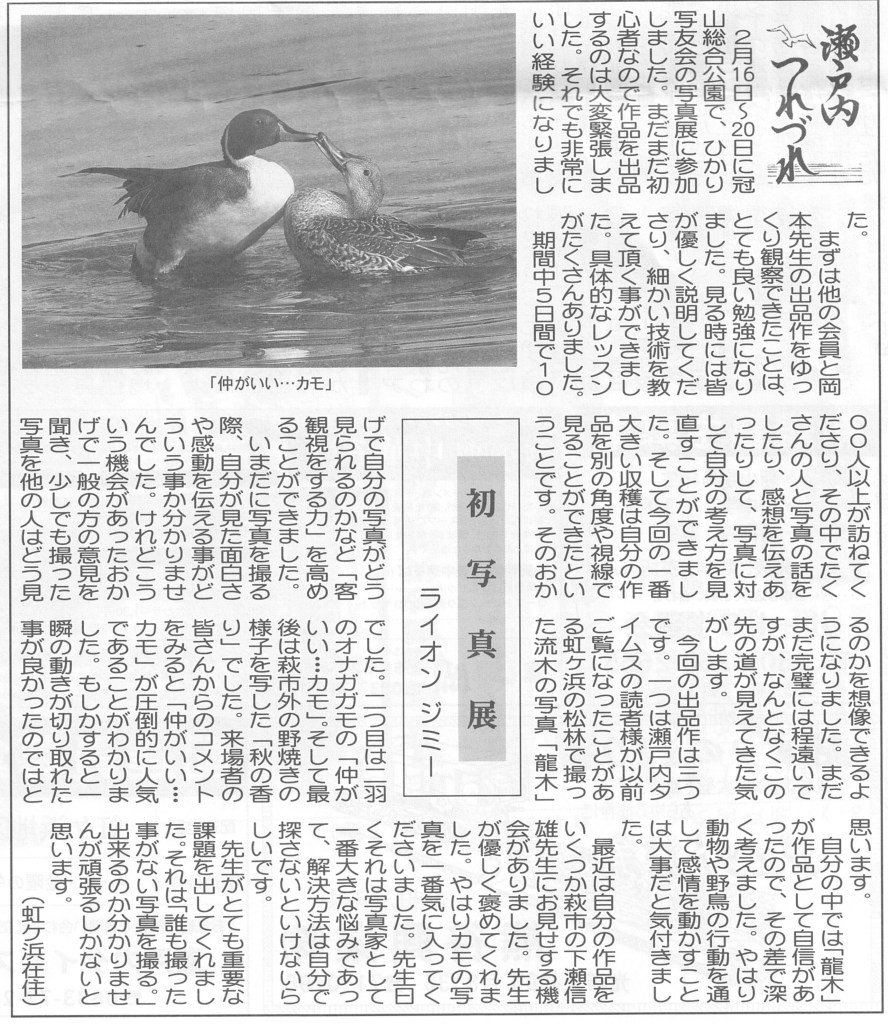
Setouchi Tsurezure #5 – First Photo Show

My fifth column for Setouchi was about my experiences with my first photo show, as part of my Hikari Shayukai club. The photos I showed all ended up with someone word-play/punnish types of names, which I know the editor likes. He chose to run one with two ducks appearing to kiss, which I call “ไปฒใŒใŒใ„ใ„ใ€‚ใ€‚ใ€‚ใ‚ซใƒข.” The name means “Good friends… Maybe” but the “Maybe” is a bit of a pun on the Japanese word for ducks.
You had to be there.


ๅˆๅ†™็œŸๅฑ•

2ๆœˆ16ๆ—ฅ๏ฝž20ๆ—ฅใซๅ† ๅฑฑ็ทๅˆๅ…ฌๅœ’ใงใ€ใฒใ‹ใ‚Šๅ†™ๅ‹ไผšใฎๅ†™็œŸๅฑ•ใซๅ‚ๅŠ ใ—ใพใ—ใŸใ€‚ใพใ ใพใ ๅˆๅฟƒ่€…ใชใฎใงไฝœๅ“ใ‚’ๅ‡บๅ“ใ™ใ‚‹ใฎใฏๅคงๅค‰็ทŠๅผตใ—ใพใ—ใŸใ€‚ใใ‚Œใงใ‚‚้žๅธธใซใ„ใ„็ตŒ้จ“ใซใชใ‚Šใพใ—ใŸใ€‚

ใพใšใฏไป–ใฎไผšๅ“กใจๅฒกๆœฌๅ…ˆ็”Ÿใฎๅ‡บๅ“ไฝœใ‚’ใ‚†ใฃใใ‚Š่ฆณๅฏŸใงใใŸใ“ใจใฏใจใฆใ‚‚่‰ฏใ„ๅ‹‰ๅผทใซใชใ‚Šใพใ—ใŸใ€‚่ฆ‹ใ‚‹ๆ™‚ใซใฏ็š†ใŒๅ„ชใ—ใ่ชฌๆ˜Žใ—ใฆใใ ใ•ใ‚Šใ€็ดฐใ‹ใ„ๆŠ€่ก“ใ‚’ๆ•™ใˆใฆ้ ‚ใไบ‹ใŒใงใใพใ—ใŸใ€‚ๅ…ทไฝ“็š„ใชใƒฌใƒƒใ‚นใƒณใŒใŸใใ•ใ‚“ใ‚ใ‚Šใพใ—ใŸใ€‚

ๆœŸ้–“ไธญ5ๆ—ฅ้–“ใง1,000ไบบไปฅไธŠใŒ่จชใญใฆใใ ใ•ใ‚Šใ€ใใฎไธญใงใŸใใ•ใ‚“ใฎไบบใจๅ†™็œŸใฎ่ฉฑใ—ใ‚’ใ—ใŸใ‚Šๆ„Ÿๆƒณใ‚’ไผใˆใ‚ใฃใŸใ‚Šใ—ใฆๅ†™็œŸใซๅฏพใ—ใฆ่‡ชๅˆ†ใฎ่€ƒใˆๆ–นใ‚’่ฆ‹็›ดใ™ใ“ใจใŒใงใใพใ—ใŸใ€‚ใใ—ใฆไปŠๅ›žใฎไธ€็•ชๅคงใใ„ๅŽ็ฉซใฏ่‡ชๅˆ†ใฎไฝœๅ“ใ‚’ๅˆฅใฎ่ง’ๅบฆใ‚„่ฆ–็ทšใง่ฆ‹ใ‚‹ใ“ใจใŒใงใใŸใจใ„ใ†ใ“ใจใงใ™ใ€‚ใใฎใŠใ‹ใ’ใง่‡ชๅˆ†ใฎๅ†™็œŸใŒใฉใ†่ฆ‹ใ‚‰ใ‚Œใ‚‹ใฎใ‹ใชใฉใ€Œๅฎข่ฆณ่ฆ–ใ‚’ใ™ใ‚‹ๅŠ›ใ€ใ‚’้ซ˜ใ‚ใ‚‹ใ“ใจใŒใงใใพใ—ใŸใ€‚

ใ„ใพใ ใซๅ†™็œŸใ‚’ๆ’ฎใ‚‹้š›ใ€่‡ชๅˆ†ใŒ่ฆ‹ใŸ้ข็™ฝใ•ใ‚„ๆ„Ÿๅ‹•ใ‚’ไผใˆใ‚‹ไบ‹ใŒใฉใ†ใ„ใ†ไบ‹ใ‹ๅˆ†ใ‹ใ‚Šใพใ›ใ‚“ใงใ—ใŸใ€‚ใ‘ใ‚Œใฉใ“ใ†ใ„ใ†ๆฉŸไผšใŒใ‚ใฃใŸใŠใ‹ใ’ใงไธ€่ˆฌใฎๆ–นใฎๆ„่ฆ‹ใ‚’่žใใ€ๅฐ‘ใ—ใงใ‚‚ๆ’ฎใฃใŸๅ†™็œŸใ‚’ไป–ใฎไบบใฏใฉใ†่ฆ‹ใ‚‹ใฎใ‹ใ‚’ๆƒณๅƒใงใใ‚‹ใ‚ˆใ†ใซใชใ‚Šใพใ—ใŸใ€‚ใพใ ใพใ ๅฎŒ็’งใซใฏ็จ‹้ ใ„ใงใ™ใŒใ€ใชใ‚“ใจใชใใ“ใฎๅ…ˆใฎ้“ใŒ่ฆ‹ใˆใฆใใŸๆฐ—ใŒใ—ใพใ™ใ€‚

ไปŠๅ›žใฎๅ‡บๅ“ไฝœใฏไธ‰ใคใงใ™ใ€‚ไธ€ใคใฏ็€ฌๆˆธๅ†…ใ‚ฟใ‚คใƒ ใ‚นใฎ่ชญ่€…ๆง˜ใŒไปฅๅ‰ใ”่ฆงใซใชใฃใŸใ“ใจใŒใ‚ใ‚‹่™นใƒถๆตœใฎๆพๆž—ใงๆ’ฎใฃใŸๆตๆœจใฎๅ†™็œŸใ€Œ้พๆœจใ€ใงใ—ใŸใ€‚ไบŒใค็›ฎใฏไบŒ็พฝใฎใƒŠใ‚ฌใ‚ชใ‚ซใƒขใฎใ€ŒไปฒใŒใ„ใ„ใƒปใƒปใƒปใ‚ซใƒขใ€ใใ—ใฆๆœ€ๅพŒใฏ่ฉๅธ‚ๅค–ใฎ้‡Ž็„ผใใฎๆง˜ๅญใ‚’ๅ†™ใ—ใŸใ€Œ็ง‹ใฎ้ฆ™ใ‚Šใ€ใงใ—ใŸใ€‚ๆฅๅ ด่€…ใฎ็š†ใ•ใ‚“ใ‹ใ‚‰ใฎใ‚ณใƒกใƒณใƒˆใ‚’ใฟใ‚‹ใจใ€ŒไปฒใŒใ„ใ„ใƒปใƒปใƒปใ‚ซใƒขใ€ใŒๅœงๅ€’็š„ใซไบบๆฐ—ใงใ‚ใ‚‹ใ“ใจใ‚ใ‹ใ‚Šใพใ—ใŸใ€‚ใ‚‚ใ—ใ‹ใ™ใ‚‹ใจไธ€็žฌใฎๅ‹•ใใŒๅˆ‡ใ‚Šๅ–ใ‚ŒใŸไบ‹ใŒ่‰ฏใ‹ใฃใŸใฎใงใฏใจๆ€ใ„ใพใ™ใ€‚

่‡ชๅˆ†ใฎไธญใงใฏใ€Œ้พๆœจใ€ใŒไฝœๅ“ใจใ—ใฆ่‡ชไฟกใŒใ‚ใฃใŸใฎใงใ€ใใฎๅทฎใงๆทฑใ่€ƒใˆใพใ—ใŸใ€‚ใ‚„ใฏใ‚Šๅ‹•็‰ฉใ‚„้‡Ž้ณฅใฎ่กŒๅ‹•ใ‚’้€šใ—ใฆๆ„Ÿๆƒ…ใ‚’ๅ‹•ใ‹ใ™ใ“ใจใฏๅคงไบ‹ใ ใจๆฐ—ไป˜ใใพใ—ใŸใ€‚

ๆœ€่ฟ‘ใฏ่‡ชๅˆ†ใฎไฝœๅ“ใ‚’ใ„ใใคใ‹่ฉๅธ‚ใฎไธ‹็€ฌไฟก้›„ๅ…ˆ็”ŸใซใŠ่ฆ‹ใ›ใ™ใ‚‹ๆฉŸไผšใŒใ‚ใ‚Šใพใ—ใŸใ€‚ๅ…ˆ็”ŸใŒๅ„ชใ—ใ่ค’ใ‚ใฆใใ‚Œใพใ—ใŸใงใ€ใ‚„ใฏใ‚Šใ‚ซใƒขใฎๅ†™็œŸใ‚’ไธ€็•ชๆฐ—ใซๅ…ฅใฃใฆใใ ใ•ใ„ใพใ—ใŸใ€‚ๅ…ˆ็”Ÿๆ›ฐใใใ‚Œใฏๅ†™็œŸๅฎถใจใ—ใฆไธ€็•ชๅคงใใชๆ‚ฉใฟใงใ‚ใฃใฆใ€่งฃๆฑบๆ–นๆณ•ใฏ่‡ชๅˆ†ใงๆŽขใ•ใชใ„ใจใ„ใ‘ใชใ„ใ‚‰ใ—ใ„ใงใ™ใ€‚

ๅ…ˆ็”ŸใŒใจใฆใ‚‚้‡่ฆใช่ชฒ้กŒใ‚’ๅ‡บใ—ใฆใใ‚Œใพใ—ใŸใ€‚ใใ‚Œใฏใ€Œ่ชฐใ‚‚ๆ’ฎใฃใŸไบ‹ใŒใชใ„ๅ†™็œŸใ‚’ๆ’ฎใ‚‹ใ€‚ใ€ๅ‡บๆฅใ‚‹ใฎใ‹ๅˆ†ใ‹ใ‚Šใพใ›ใ‚“ใŒ้ ‘ๅผตใ‚‹ใ—ใ‹ใชใ„ใจใŠใ‚‚ใ„ใพใ™ใ€‚