A Year of Photo Club – How It’s Going

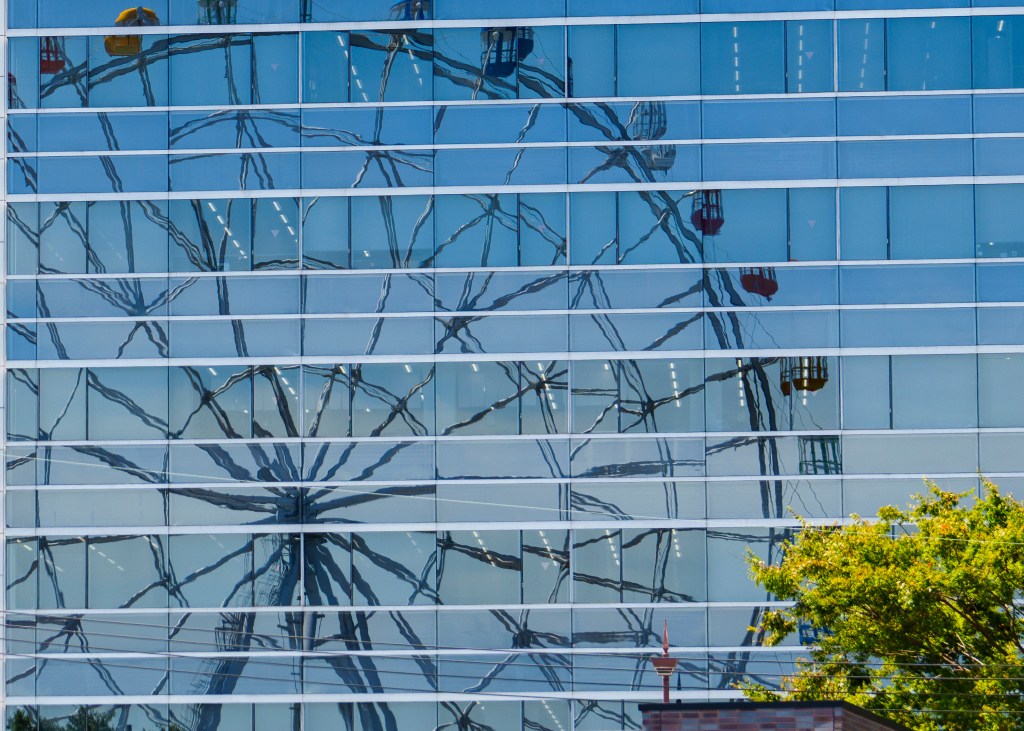
The reflection of a Ferris wheel in the mirrored windows of an office building. The differently framed windows give the reflection a mosaic look.
f E rrI s wH eeL
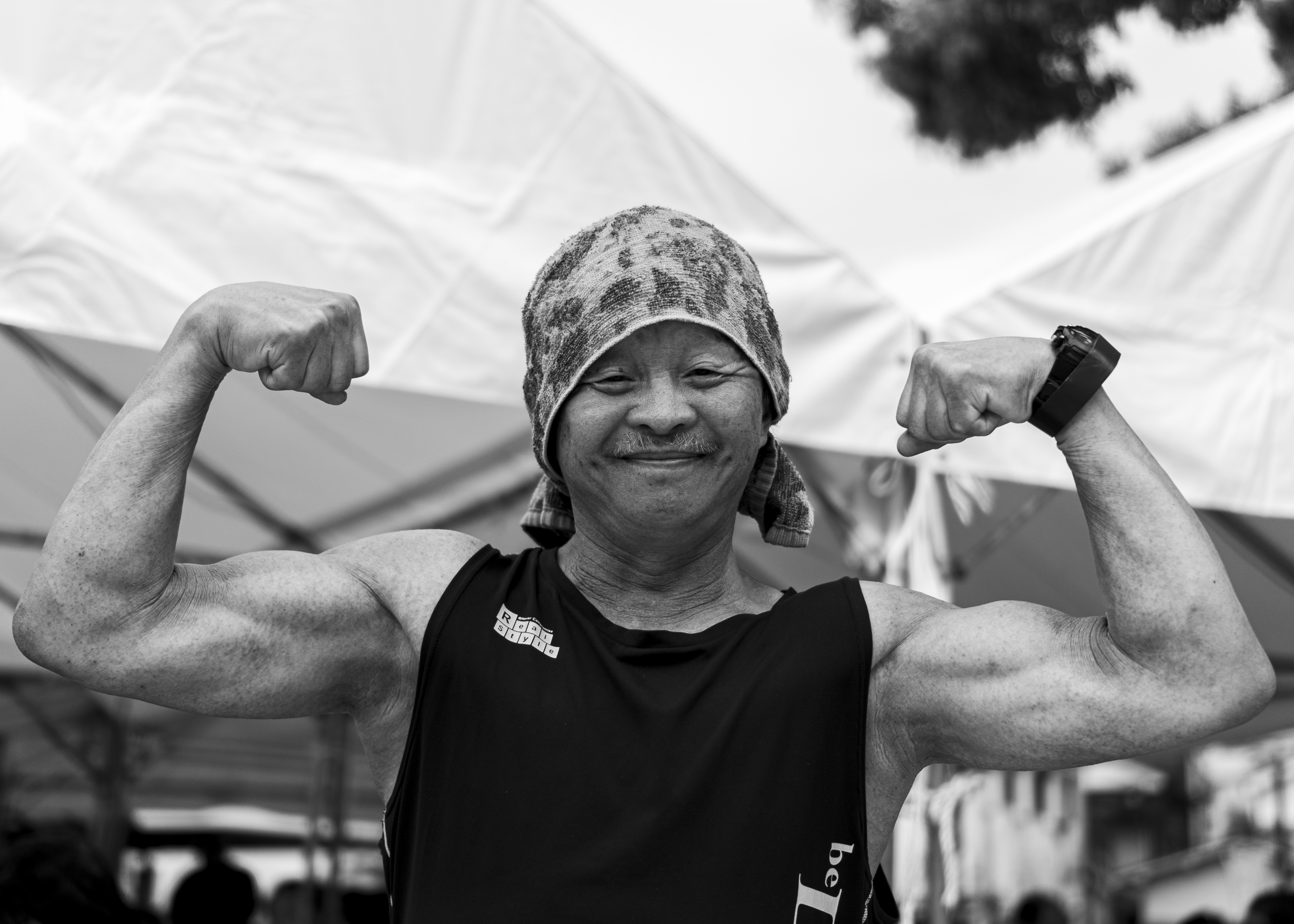
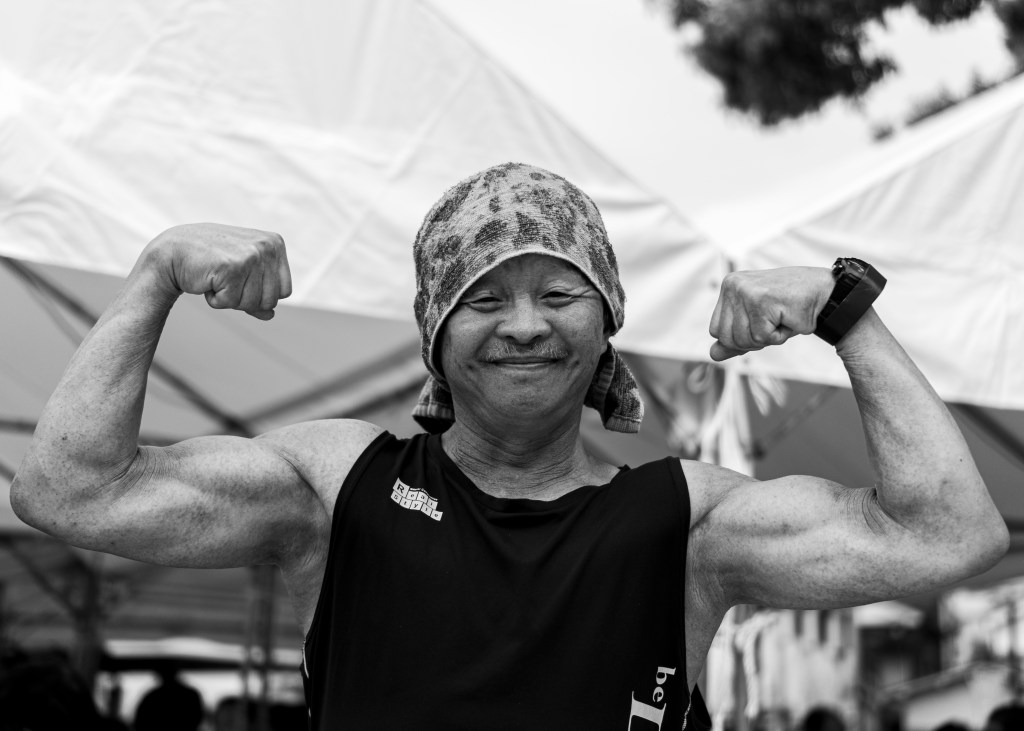
A black and white portrait of an older man in a tanktop. He is flexing his muscles and smiling.
Bodybuilder
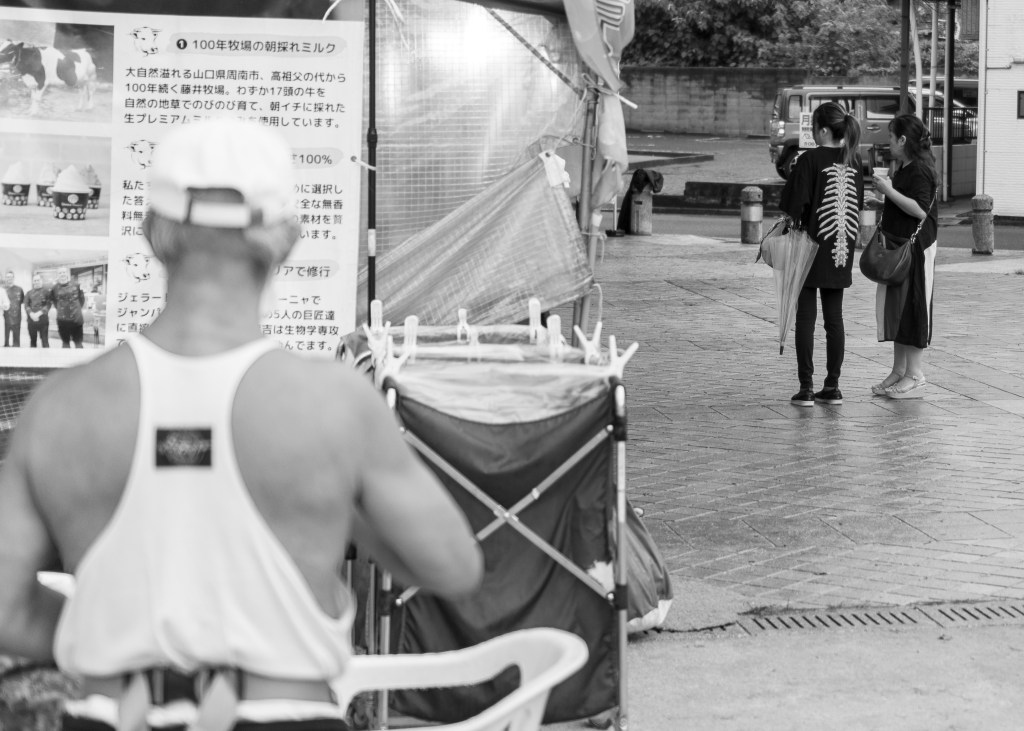
In the background, a clear picture of two women facing the other way. One is wearing a black t-shirt with the image of a backbone on it.
In the foreground is a somewhat blurred image of a muscular older man in a white tanktop, facing the other way.
Backbone
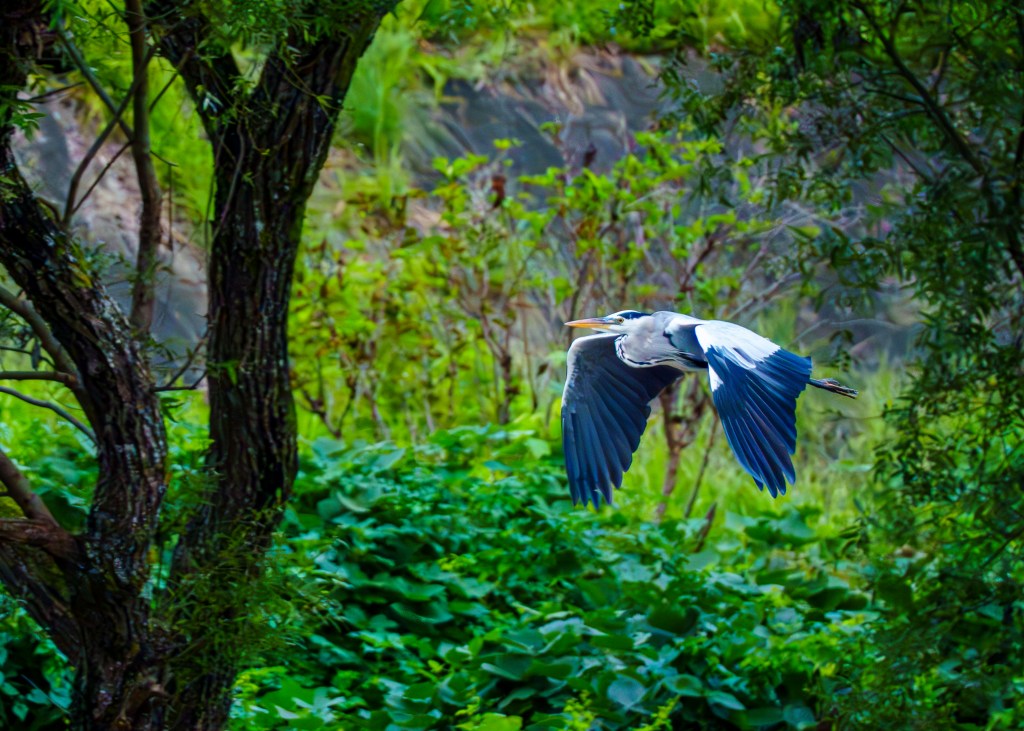
A grey heron flaps across the foreground against the backdrop of lush green foliage.
Heron
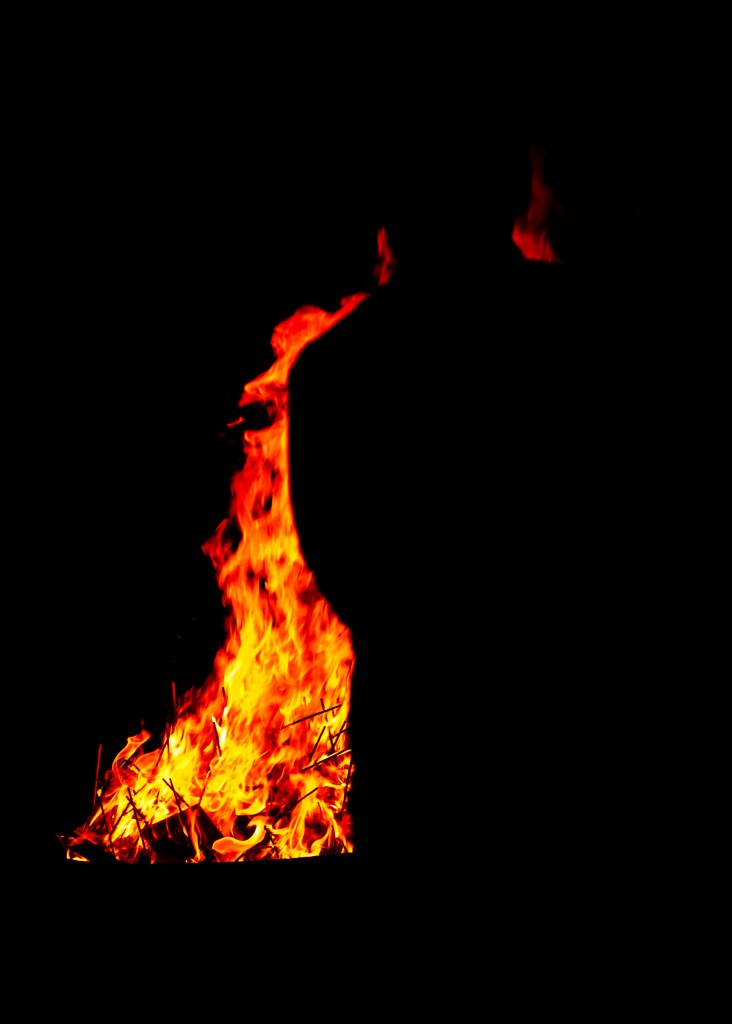
Everything is dark except a large fire burning high in the center. The silhouette of a person can just be made out in front of it.
Prayer

Setouchi Tsurezure #5 – First Photo Show

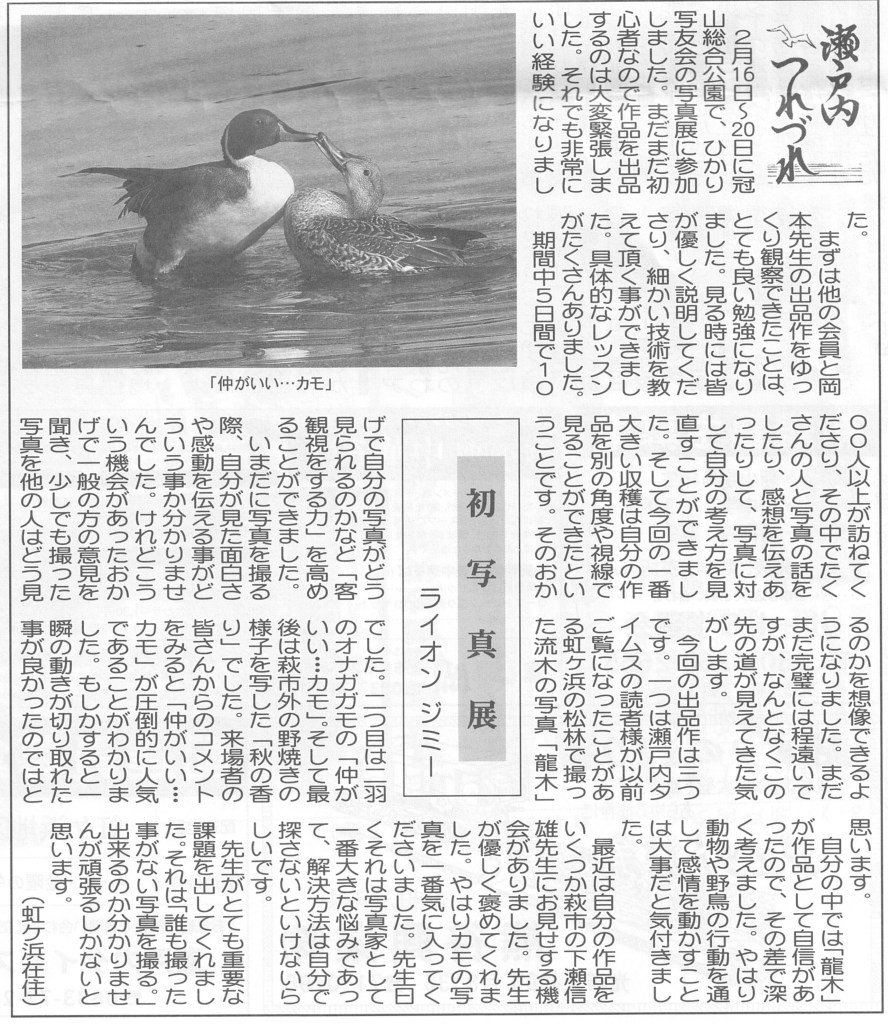
My fifth column for Setouchi was about my experiences with my first photo show, as part of my Hikari Shayukai club. The photos I showed all ended up with someone word-play/punnish types of names, which I know the editor likes. He chose to run one with two ducks appearing to kiss, which I call “仲ががいい。。。カモ.” The name means “Good friends… Maybe” but the “Maybe” is a bit of a pun on the Japanese word for ducks.
You had to be there.


初写真展

2月16日~20日に冠山総合公園で、ひかり写友会の写真展に参加しました。まだまだ初心者なので作品を出品するのは大変緊張しました。それでも非常にいい経験になりました。

まずは他の会員と岡本先生の出品作をゆっくり観察できたことはとても良い勉強になりました。見る時には皆が優しく説明してくださり、細かい技術を教えて頂く事ができました。具体的なレッスンがたくさんありました。

期間中5日間で1,000人以上が訪ねてくださり、その中でたくさんの人と写真の話しをしたり感想を伝えあったりして写真に対して自分の考え方を見直すことができました。そして今回の一番大きい収穫は自分の作品を別の角度や視線で見ることができたということです。そのおかげで自分の写真がどう見られるのかなど「客観視をする力」を高めることができました。

いまだに写真を撮る際、自分が見た面白さや感動を伝える事がどういう事か分かりませんでした。けれどこういう機会があったおかげで一般の方の意見を聞き、少しでも撮った写真を他の人はどう見るのかを想像できるようになりました。まだまだ完璧には程遠いですが、なんとなくこの先の道が見えてきた気がします。

今回の出品作は三つです。一つは瀬戸内タイムスの読者様が以前ご覧になったことがある虹ヶ浜の松林で撮った流木の写真「龍木」でした。二つ目は二羽のナガオカモの「仲がいい・・・カモ」そして最後は萩市外の野焼きの様子を写した「秋の香り」でした。来場者の皆さんからのコメントをみると「仲がいい・・・カモ」が圧倒的に人気であることわかりました。もしかすると一瞬の動きが切り取れた事が良かったのではと思います。

自分の中では「龍木」が作品として自信があったので、その差で深く考えました。やはり動物や野鳥の行動を通して感情を動かすことは大事だと気付きました。

最近は自分の作品をいくつか萩市の下瀬信雄先生にお見せする機会がありました。先生が優しく褒めてくれましたで、やはりカモの写真を一番気に入ってくださいました。先生曰くそれは写真家として一番大きな悩みであって、解決方法は自分で探さないといけないらしいです。

先生がとても重要な課題を出してくれました。それは「誰も撮った事がない写真を撮る。」出来るのか分かりませんが頑張るしかないとおもいます。

Hooded Crane Pangs

The rare hooded crane once nested here in Yamaguchi Prefecture in the hundreds. Most now winter in southern Kyushu island, but a few—a bare handful—nest in the rural community of Yashiro, a part of Shunan city about 25 minutes’ drive north of here. The town has a dedicated observation center that overlooks some of the rice fields that they frequent, with a CCTV monitor aimed at another spot.

I went to the nesting grounds today to see if I could spot any. A sign on the observation center wall said there are currently four nesting in Yashiro, and the monitor showed two of them. There was a field scope set up for a more direct look, so I actually got to see two of the only four hooded cranes currently on the island of Honshu… But just barely. My 210mm lens could pick them out.

Two large birds with gray bodies, white heads, and red patches around the eyes, can be seen in a distant field.

Then I saw that the spot was close to a public road. So, I went closer.

I was eventually able to see them pretty well through my lens, but there were all these signs “No crane watching,” “Please take pictures from the observation center” and the like. The signs implied that taking pictures of the birds would frighten them or drive them away.

But… I was standing on a public road. There were cars driving by—including an employee of the observation center who glared me as he rumbled by in his truck. There was a restaurant right there with a parking lot where, presumably, people opening and closing their car doors. It seemed like a relatively lively spot. And I was just walking along, probably a good 150 meters away.

I was conflicted. I wanted to watch them, but the officials didn’t want me to.

On the one hand, I get that they don’t want crowds of people filling the area, or anyone sneaking into fields and scaring the birds away and/or messing up the rice fields. It would be bad both for the birds and the local community. On the other, it’s not bird lovers or photographers who are destroying the habitat and driving the birds away on a daily basis. I get that they can’t exactly ask local farmers to scale back their livelihoods for the sake of birds, and birders are indeed just following a hobby.

Now, I’m not sure what to think about myself. I did something I was asked not to, because the reasoning behind the request seems misguided. But I’m not above the rules. Are they rules, though?

Photo Club Update – Hail the Conquering Newbie

Yesterday was my first photo club meeting as an official member (for background see this previous post) and it was a great one.

In addition to getting some great feedback on my own pictures, I’m learning critical eye skills by looking closely at lots of pictures other people have taken

One of the key points I took away this time was to be more aware of the “main character” of any picture and really commit to it. I guess I have a tendency to try to add lots of context in both writing and photography, which in the latter case leads to too much extraneous background.

Of course, this is all a matter of taste, which is always up for argument, but I can definitely see the teacher’s point.

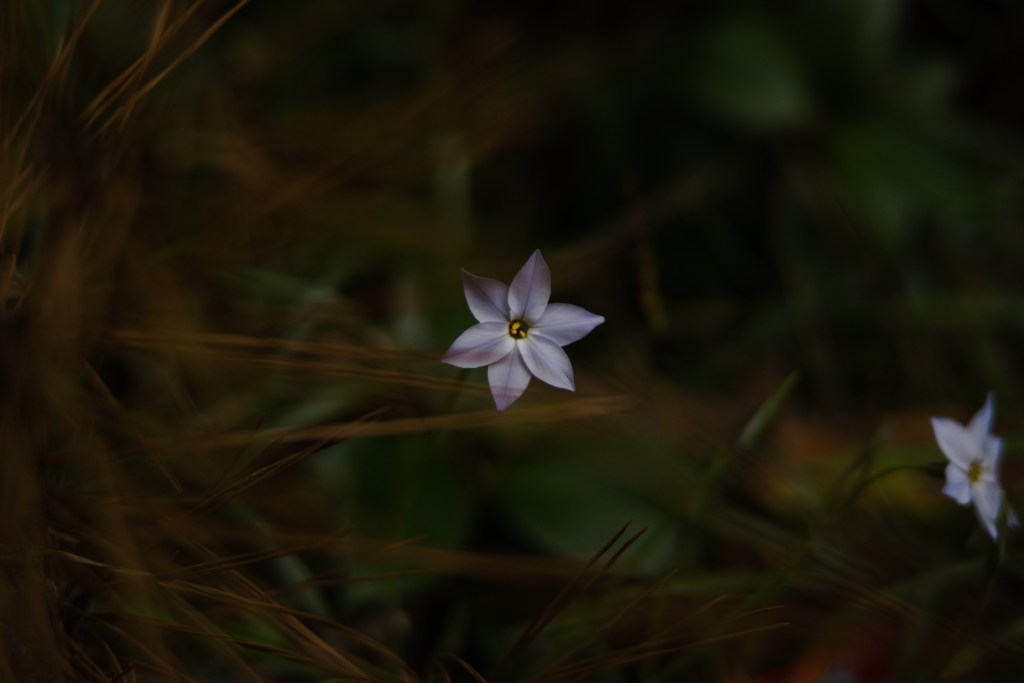
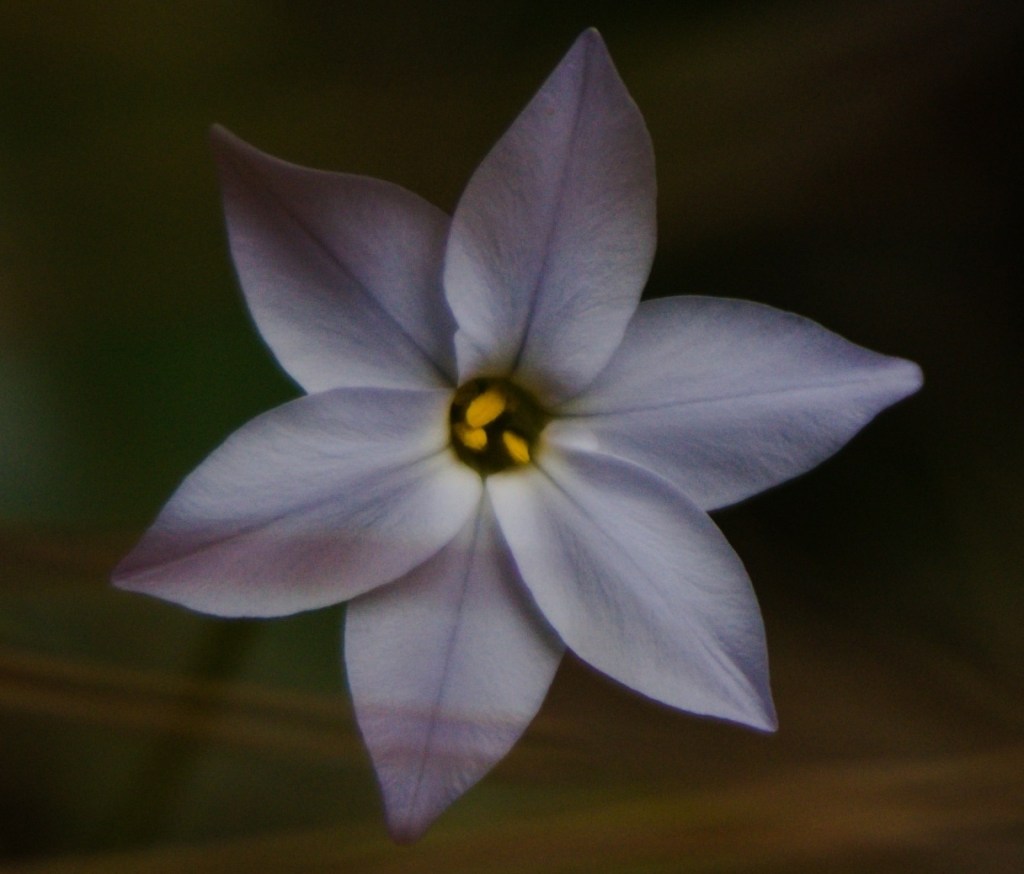
For example, he liked the muted color, gloomy lighting, and overall subject of this starflower picture:

 Muted picture of a white, six-petaled flower. There are brown leaves and pine needles barely recognizable in the blurred background.

But said I should really have just tightened in on it, like this:

He’s right, of course.

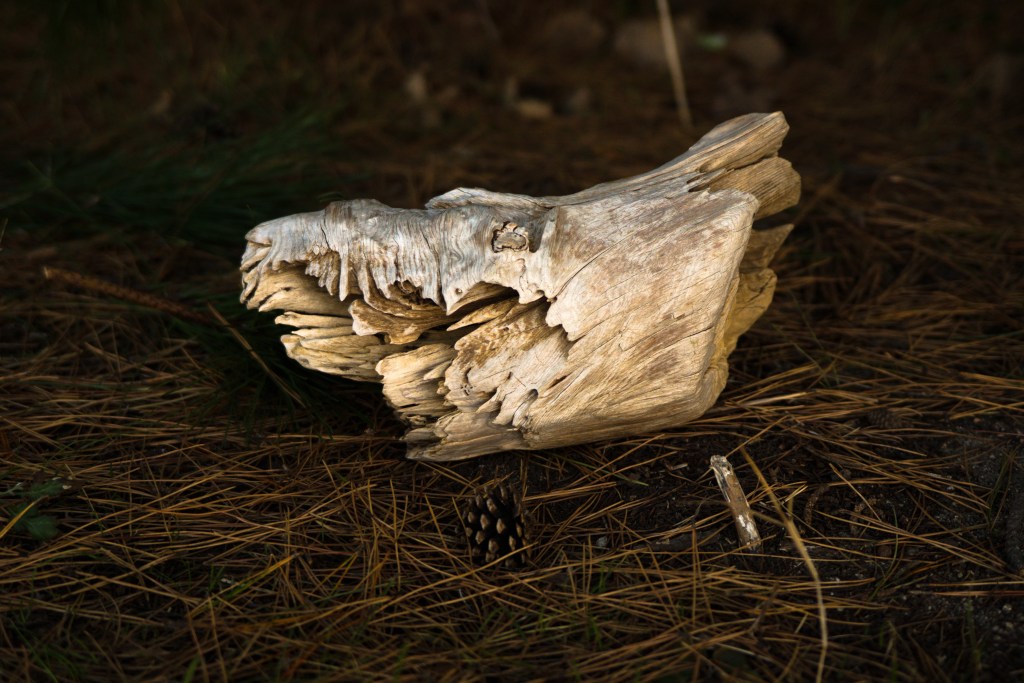
At the same time, he liked and had good things to say about most of my pictures, and I even got the “best shot of the month” with this one I have posted before:

A piece of driftwood against a blurred background of dead pine needles and pinecones.
龍木

Everyone loved it, and the teacher had no notes.

So, I’m off to a good start!

Never Too Old to Polish

As I get older, the more I find that simply learning things is perhaps my favorite hobby. Trying new things and getting better at them. Adding and polishing to the skills I use to interact with the world.

To that end, I’ve been trying to get better at photography. This is not a new thing, as anyone who remembers my aborted attempts to post photos here might know, but it is also not something I’ve felt was making any progress. But that might have been too critical.

I recently joined a local photography club. The first meeting was quite eye opening, because they run it essentially as a monthly photo contest. Members each print out ten or so of what they consider their best pictures. The teacher, a professional photographer with something like 50 years’ experience, goes through each one and makes comments on technique or recommendations for improvement where he sees fit, then chooses the best couple of each person’s shots.

Then, he decides one overall winner for the day and gives them a little prize.

In just over an hour and a half I got a good half-dozen new ideas to bring into my own photography. So worth it for 500 yen a month. For example, the teacher really emphasized what he called sei to do, or stillness and motion. This means trying to show movement, say, in a landscape photograph by slowing down the shutter speed and catching water blurring as it rushes past or the blur of weeds blowing in the breeze. It’s not a universal, of course, but one way to make a photograph stand apart.

And although I didn’t know to bring any printouts, I showed a few of my camera pics through my smartphone and got some excellent compliments.

This one, for example, he loved due to the depth of field and the overall ambience:

A piece of driftwood that looks something like a dragon's skull on a bed of dead pine needles.

I look forward to learning more, and maybe even taking home one of those monthly prizes!