My New Year in Pictures

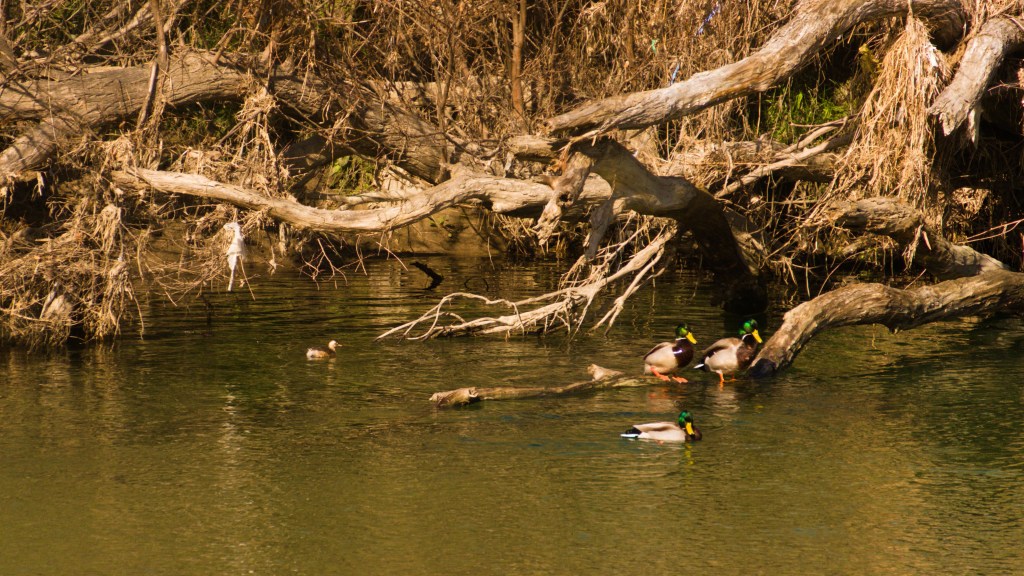
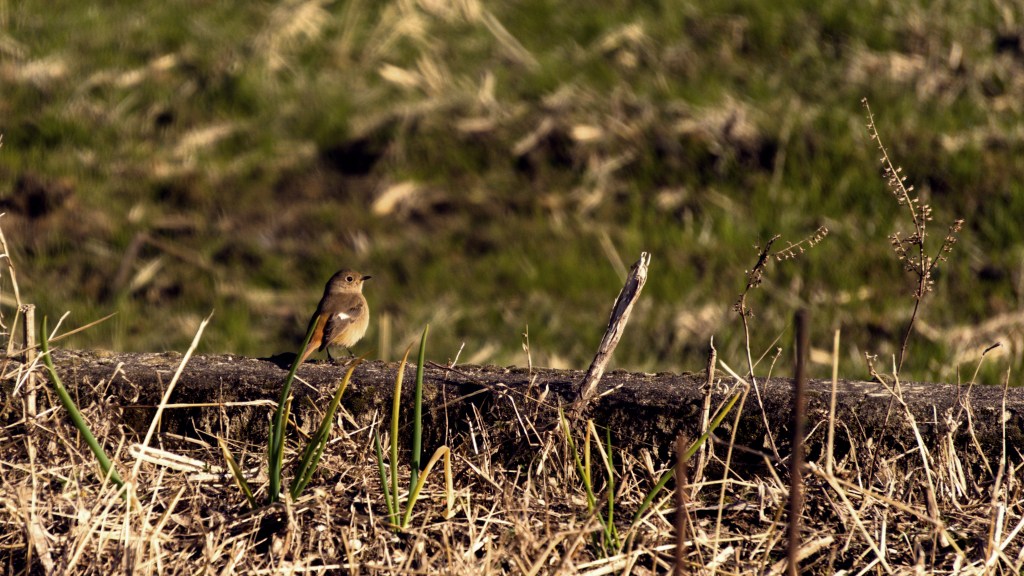
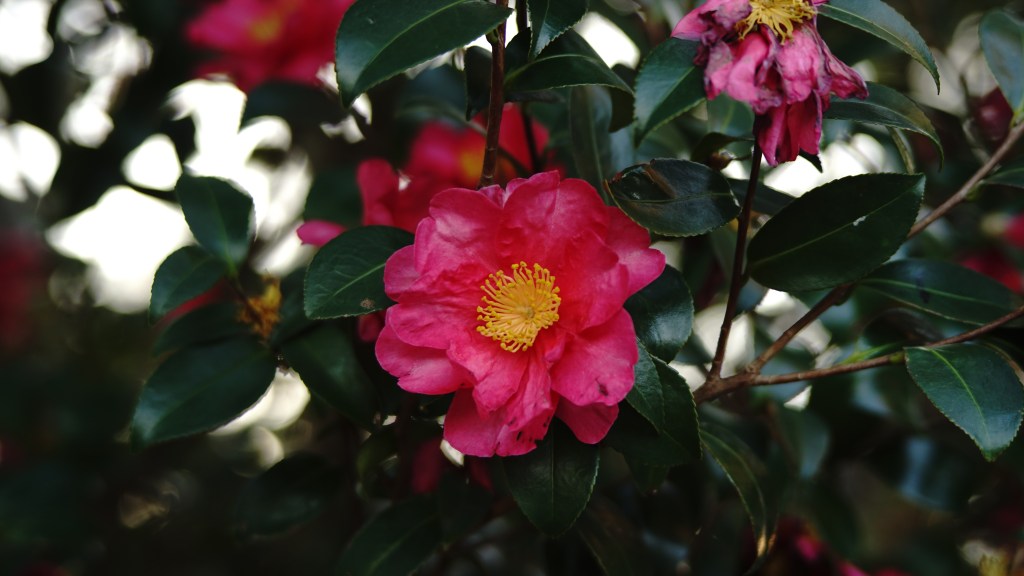
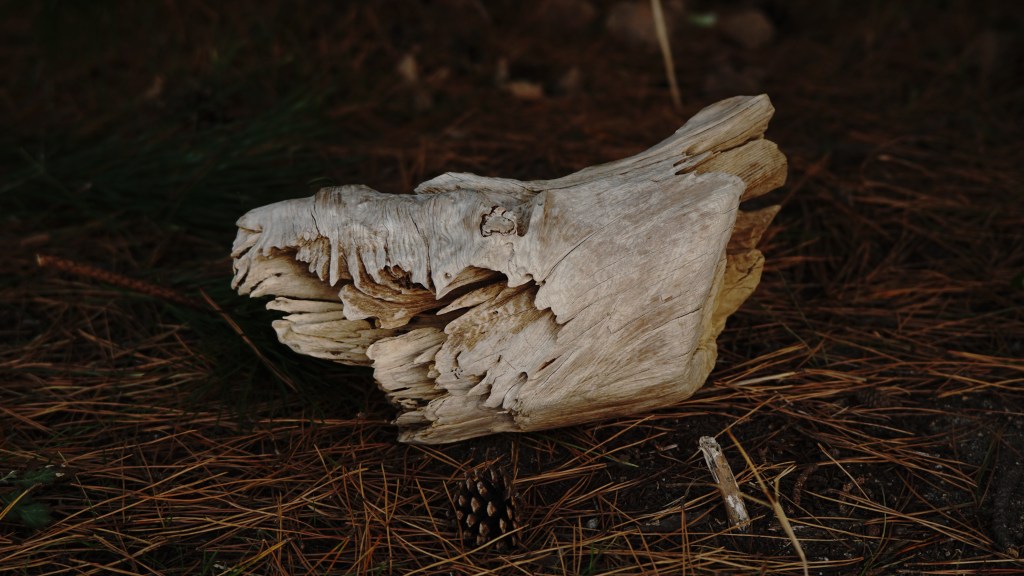
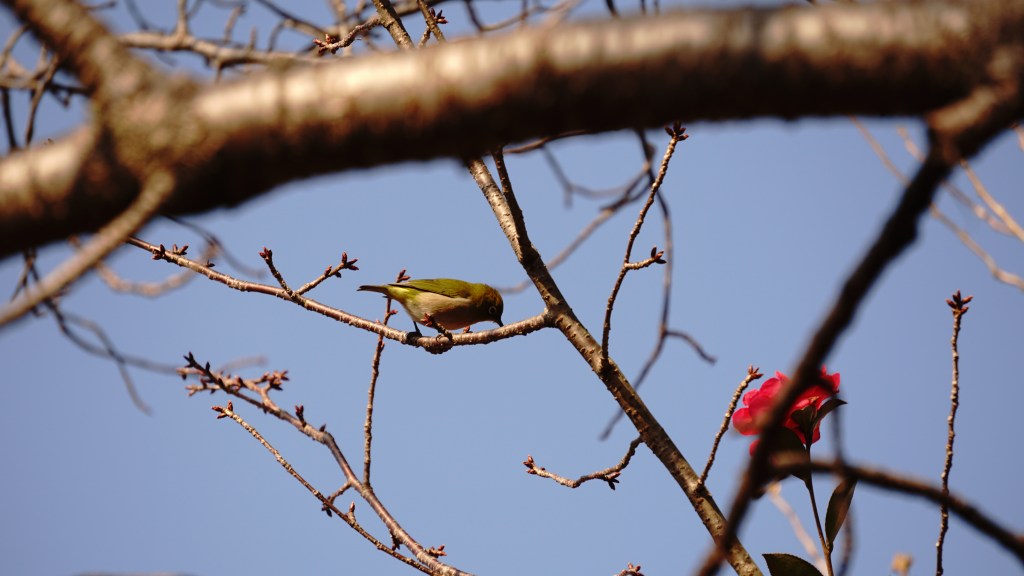
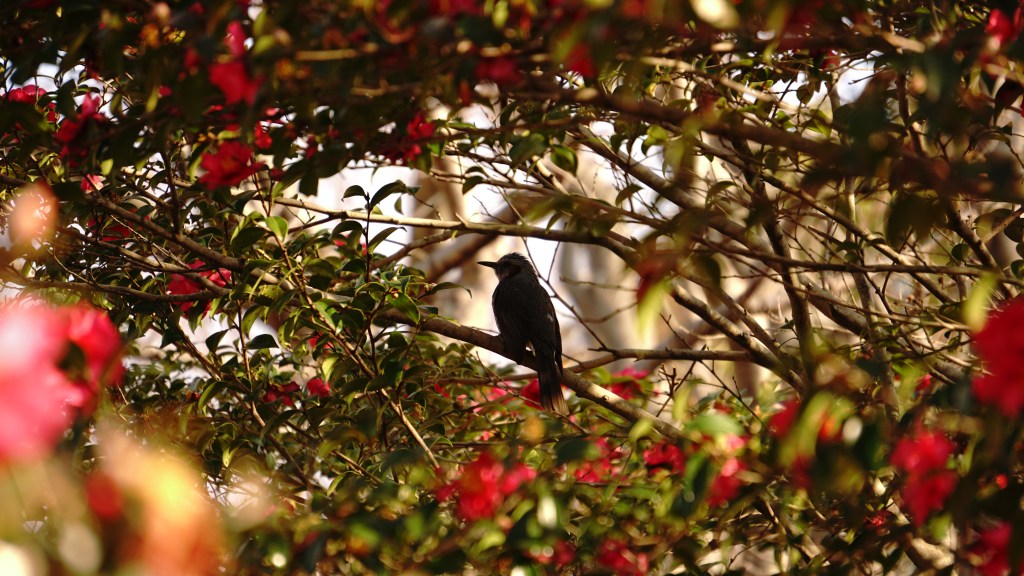
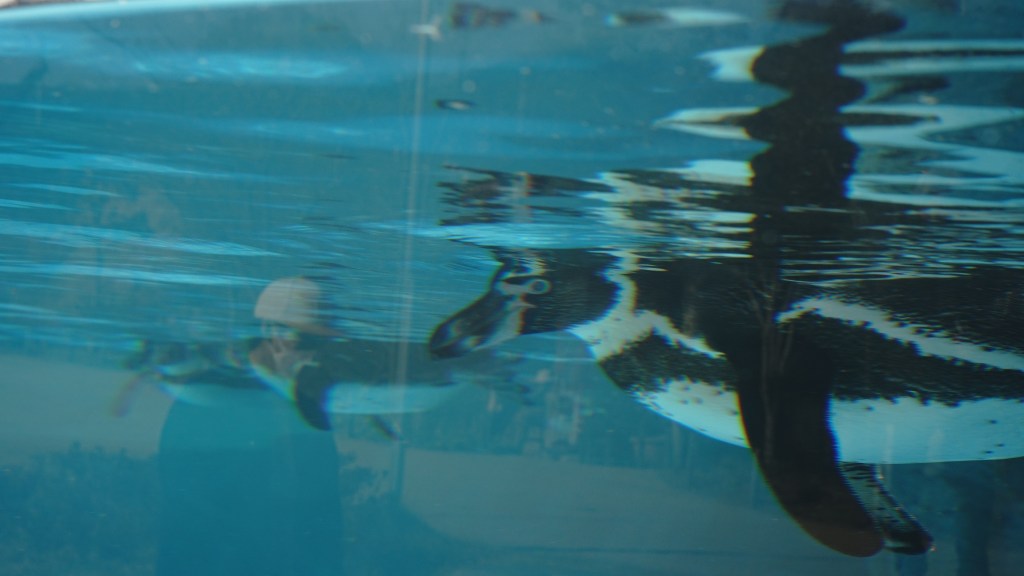
Rather than a tired resolution post or whatever, I thought I’d just post some picture I took over the end of 2022 and the beginning of 2023. I’m also trying to ensure that I include captions for screen readers, which WordPress seems to struggle with when it comes to galleries. Patience, please.

Locations include Shunan city’s Eigenzan park, Tokuyama Zoo, Nijigahama Beach, Yanai Adeli Hoshi Park, and Mt. Taika in Shunan.

Captions for slide show: 1. A brilliant pink and yellow flower against green leaves. 2. A pale piece of driftwood that resembles some kind of beast’s skull, atop a pine-needle bedding. 3. A small green bird perched on a bare branch, with a bright pink flower nearby. 4. The silhouette of a bird encircled by leafy, flowered branches.

A tricky term – オカルト

Today’s conundrum: Is オカルト a false friend for “occult,” or not?


In Japan, for example, writers who dabble in horror, mystery, and stories with a weird, dark edge are often labeled オカルト (okaruto, a direct transliteration of “occult), and there are things like オカルトサークル (okaruto sa-kuru – occult circles), which are clubs that discuss and share information about things like urban legends (a very common theme on オカルト websites, it appears), strange true crime stuff, and related fiction.

But calling those “occult writers” or “occult clubs” seems, to me, to have entirely different connotations. I feel like the label “occult” is strongly associated with witchcraft and mystical secrets, rather than “eerie stuff in general.” The dictionary definition tends to point that way, too, but of course dictionaries always lag behind popular usage.

A look at the massive Wikipedia list of “occult writers” in English clearly shows a leaning that way: people like Anton LaVey, Aleister Crowley, Madame Blavatsky, and Simon Magus. More popular writers listed include Lovecraft, Robert Anton Wilson, Carlos Castaneda, and W. B. Yeats. Clearly, these writer seem connected by a focus on mysticism and the secret layers of reality, rather than “could-be-true scary stuff.” Again, this is not any kind of definitive list, but I do think it reflects the popular perception of the word.

The upshot of all this is, if I wanted to write about a Japanese オカルト writer, what would I call them? An eerie writer? A dark writer? A writer of the hidden world?

I wonder if anyone else thinks about this stuff?

2022 – Year in Review

It might be a bit premature, but as it looks like I’m moving into the year-end holidays a little early, I think this is as good a time as any to look back on my work life during 2022

Despite the ongoing pandemic, this was one of my most productive and exciting years as a translator and writer.

The cover of the book Discovering Yamaguchi Sake by me, Jim Rion. It features scans of Japanese sake labels from every brewery in Yamaguchi.

The biggest individual developments were two books. I signed a contract with Stone Bridge Press to publish my book Discovering Yamaguchi Sake in February, and signed with Pushkin to translate Akuma ga kitarite fue wo fuku/The Devil’s Flute Murders in June. Both books are coming out in 2023, and do feel free to buy as many as you want!

Read more about those here: Discovering Yamaguchi Sake and Coming Soon: The Devil’s Flute Murders

The cover of the book The Devil's Flute Murders. It features an outstretched hand, looking limp, and near it a fallen bottle of what looks like poison.

I also had a big year on other fronts that might break down a little more numerically.

I translated 285 pages worth of articles for Nippon.com, which is over 100,000 characters by their count.

As for other random website and article translations, it looks like I did over 450,000 characters worth.

I also wrote seven articles for outlets like Sake Today (upcoming), Sake Times, Nippon.Com, and AllAbout Japan.

I hosted online events, made connections, and generally made good use of my time. I also took some photography classes and started getting serious about learning to take proper pictures for my stories.

I plan to make use of all this experience in 2023 with a new book (I’m thinking pottery, this time), and hopefully another book translation.

Despite lots of chaos on the global scale, personally, 2022 was pretty good. I hope you can find a way to say the same.

Happy Holidays, and peace be on you all.

Book Review – A Sense of Place

The cover of the book A Sense of Place by Dave Broom, featuring a picture of whisky casks on the cover. In front of the book is a small glass with some amber whisky inside.

A Sense of Place: A journey around Scotland’s whisky
by Dave Broom
Photography by Christina Kernohan

I first saw this book mentioned on the author’s Instagram, where he used something like the phrase “sense of place, not terroir.” That is what grabbed me. The growing ubiquity of “terroir” usage in drink writing is puzzling to me, because it is such a wine-centric term. Its core meaning, “the taste of the land,” makes sense for grapes but not for much else. That has encouraged people to make it mean, basically, whatever they want if it helps them sell some kind of very expensive processed agricultural good—from chocolate to, well, whisky. I am immediately suspicious of any use of the term outside wine, because it’s just become a stand-in for “this is different for reasons” as part of a sales pitch.

A sense of place, though? That, I can get behind. It’s not trying to dress itself up in fancy clothes. It’s honest about being a story. A story about a place, which has room in it for all kinds of things. People. History. Water. Land. Plants. Rocks.

A place is what we make of it. What we say about it. It’s a story.

And that is what this book is all about.

In this incredibly beautiful book (and it is among the most beautiful I have ever held—Kernohan’s photography is glorious), Dave Broom writes two hundred and fifty-odd pages worth of ode to Scotland. Its people. Its history. Its water. And yes, its rocks. He writes about whisky, yes, but what this book truly does is delve into what makes Scotch special to him, and that is its position within the communities around each bottle.

It’s a celebration of Scotch as more than a drink, as something else than the icon of capitalism it has seemingly become: it is a product of a community bound by shared land, shared history, shared culture, shared language. A cultural artifact.

The book is lyrical. Rhapsodic. At times gloomy, and at times filled with hope. The language is unabashedly Scots English—I have to admit I was grateful for the glossary in the back—and that is a lovely thing. The book touches on that, on how Gaelic was taken from so many Scots and how that was part of the Clearances that not only scarred Scotland’s culture, but in so doing shaped modern Scotch whiskey and the places it is from, and also how words influence not just how we speak, but how we perceive. How we taste things.

In a way, this book has fundamentally changed the way I think about whisky. I have to admit that, as a thoroughly common person with stubbornly low-class tastes, the fetishization and hyper-valuation of whisk(e)y turns me right off. As a beverage, I like it fine. It’s a delicious, complex, nuanced and exciting thing to drink in and of itself. But so much of the modern placing of it is about image, status, and wealth. At both ends—production and consumption—whisk(e)y has become a rich man’s game. And I mean all three of those words. The history of whisk(e)y in Scotland and Ireland, in particular, is one of capital, empire, and the forceful transformation of a common culture to a private one.

But here, Broom pokes at the cracks in that, revealing the humanity and love that maintains in even the largest of distilleries. Yes, they’re still massive monuments to capital, but there is also a reverence for craft, and a (re)growing respect for the farmers that once would have been making the drink. I found myself actually wanting a sip of single malt on finishing this book, something I very rarely feel these days. (Sorry, Dave, but it was Miyagikyo. No proper Scotch in the house, I’m afraid).

And he did it with such style! What a writer the man is. I found myself snapping pictures of sentence after sentence, almost wanting to shout with glee at the beautifully made points.

Let me also add, I am so happy and in favor of his persistent cheerleading for blended whisky. The fact that “whisky lovers” persist in looking down on 98% of the market is not only silly, it reeks of classist arrogance. Never poo-poo the cheap stuff.

It is no exaggeration, not even a hint of a lie, to say this is the book I wanted (want?) to write about sake. I am not the writer Broom is, nor is the English-language sake book market mature enough to have room for such a departure, but maybe someday.

Until then, I am grateful for this wonder of a book.