
I took a few pictures that I like recently, so here you go.
A couple of the crops are unconventional, but these aren’t for printing, so who cares?
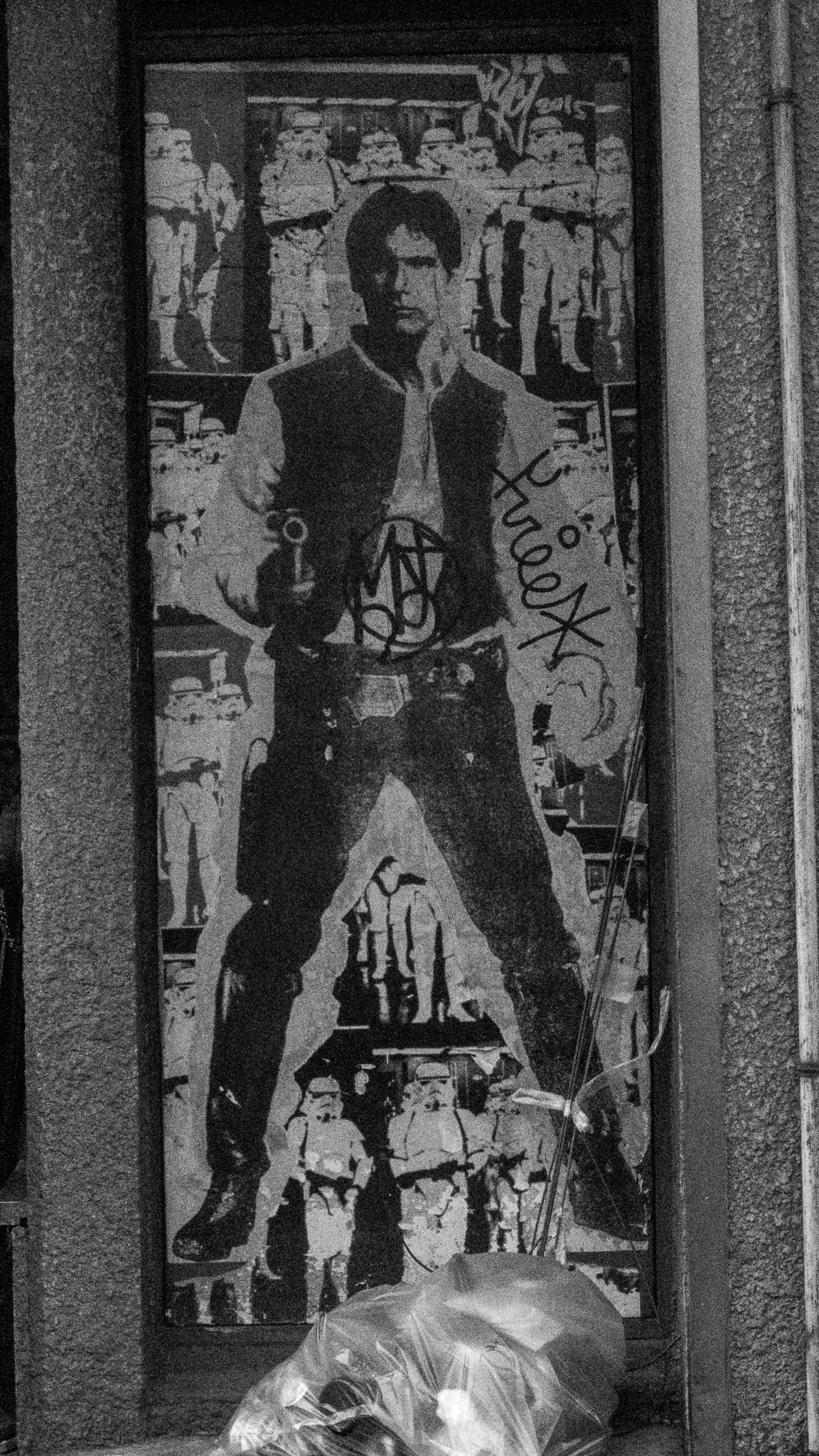
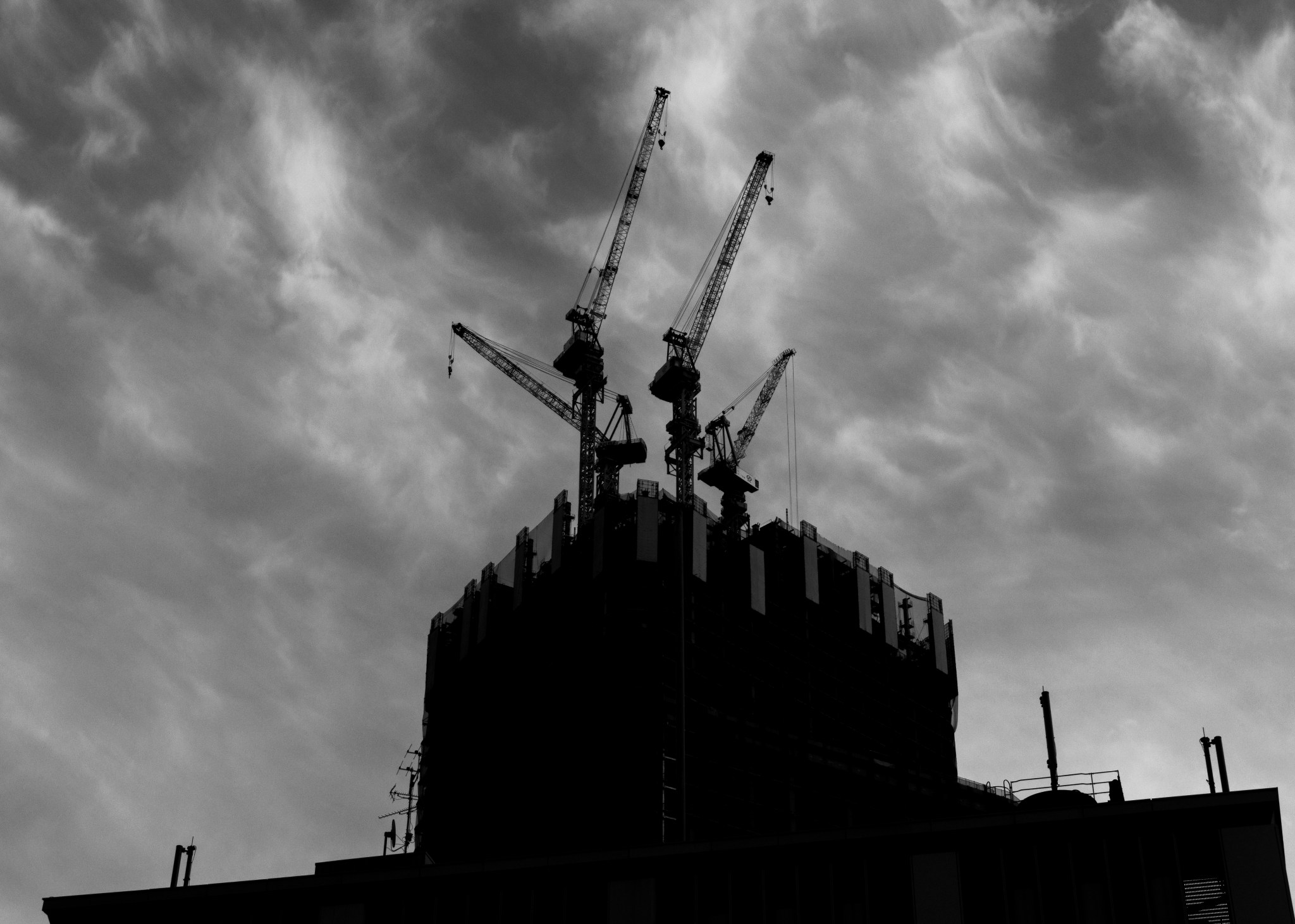

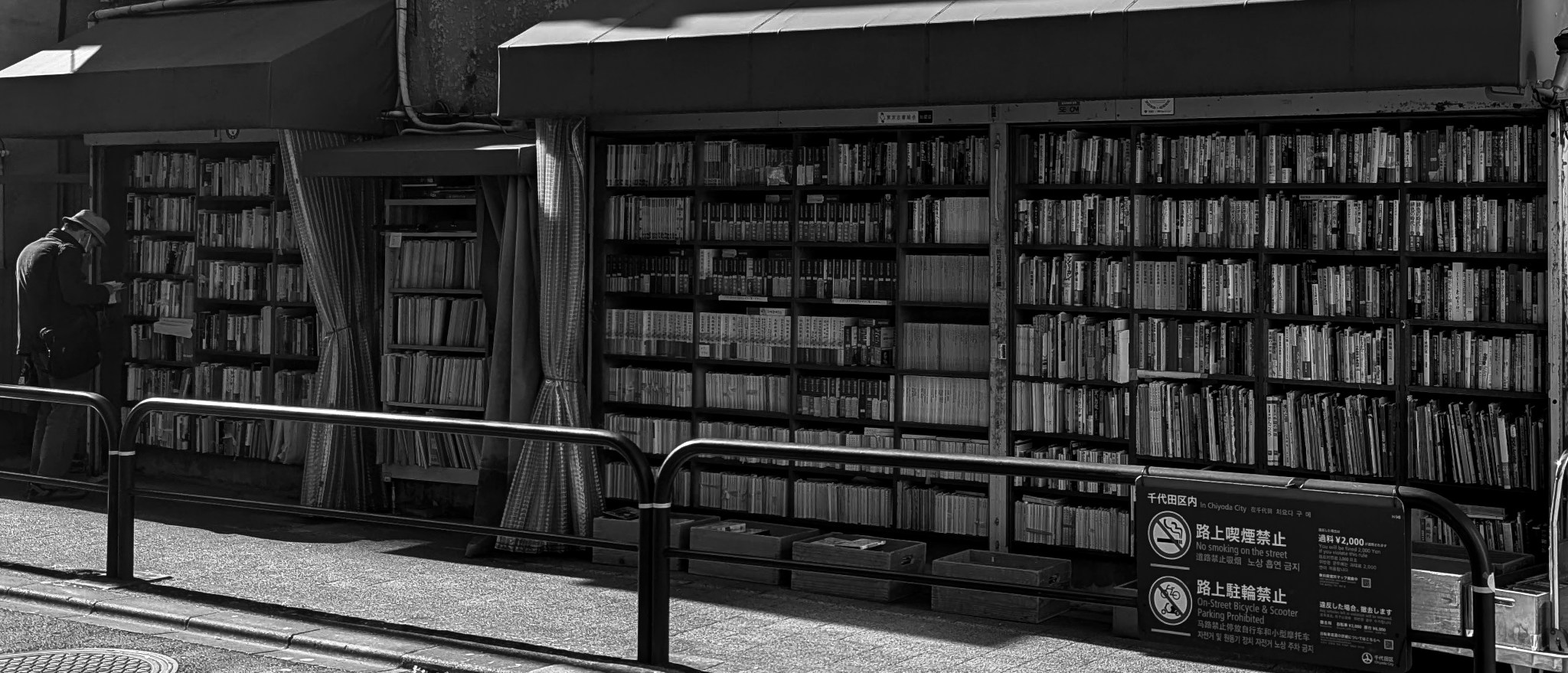
I took a few pictures that I like recently, so here you go.
A couple of the crops are unconventional, but these aren’t for printing, so who cares?
I didn’t realize I’d missed so many of these! It was a pretty heavy summer, anyway. But I’m still writing my column for the local Setouchi Times 瀬戸内タイムス newspaper. This might not have been “the next” but it’s in the series.
This was a summer edition, about getting to photograph the city’s fireworks festival. Fireworks are a summer standard in Japan. This year, I got special permission to photograph from atop a local hotel for a view above the crowds. The article ran in mid September, but I seem to have misplaced it, so no scan. Ah well.
Here are some of the pics:


花火大会で光の夏の満喫
ライオン ジミー
7月27日に虹ヶ浜で花火大会が開催されました。何万人が集まって夏を満喫できたでしょうか。我が家も虹ヶ浜にありますので花火大会に「行く」よりも「いる」という感じですがライオン一家ももちろん行きました。
今年は格別の猛暑のなか若い人の浴衣・甚平姿を見て屋台の掛け声を傍らに聞き焼き鳥等の匂いを嗅いで「あぁ、夏だ」と肌で感じました。
アメリカの実家カンザス州も夏はものすごく暑く7月4日に大きな花火大会があります。でも日本の祭りと全然違う雰囲気です。季節に合わせて特色のある祭りより「たまたま夏、その日に花火を上げる」日です。でも日本では季節の決まりが強いので花火大会や夏祭りは本当に特別だとおもいます。
なんと言えばいいでしょうか。その日の為に町全体が活気あふれ盛り上がった感じが溢れています。屋台の人が一生懸命仕入して猛暑さの中で料理をします。市の方々で計画を立て道路調整し安全な大会の開催を担っています。そして一般の方々にも準備があります。色々な人が彩り豊かな夏服を買いに行き、着て行きます。満員電車に乗るか、はたまた渋滞の中駐車場を探して止めるか。来るだけでも大変です。
それでも毎年続きます。たくさんの人が来ます。
素晴らしいです。
でも実は僕は暑さも人混みも苦手です。見るのが楽しいですが入り込むのはちょっと遠慮してしまいます。今年は息子と妻が夜店で食べたり浜で花火を見たりと楽しんでいました。僕は運よくて高いところから見下ろして大好きな写真を撮る事が出来ました。個人的には完璧な花火大会でした。夏の雰囲気を遠く感じて涼しいそよ風が通り過ぎリラックス状態でシャッターチャンスを待つのも良い夏の楽しみ方だと思います。
今年はちょっとだけ写真の腕が上がって自分なりに良い花火写真撮れたと思います。まだまだ満足できていませんが、「まぁ、前よりマシだな」と。また来年挑戦してもっといい写真をお見せしますのでご期待下さい。ですので、また来年のために皆さま頑張りましょう。光の夏の満喫、花火大会のために。
Pareidolia
Merriam-Webster Dictionary https://www.merriam-webster.com/dictionary/pareidolia
noun
par·ei·do·lia ˌper-ˌī-ˈdō-lē-ə
-ˈdōl-yə
: the tendency to perceive a specific, often meaningful image in a random or ambiguous visual pattern
People who follow me on Mastodon might have seen me mention my recent experiences with the YouTube series Fake Documentary Q (Japanese with English subtitles) and the sleeping trouble it has given me.
In short, FDQ is a “mockumentary” series, though more in the Blair Witch vein than the Spinal Tap one. It poses itself as a product of real research, found footage, and interviews with real people (except, not, because it is, after all, “fake”) and presents many items without editorial comment or even much context.
There may be comments along the lines of “This video was found in the archives of a local television station. We do not know why it was never broadcast.” or “A viewer sent us a request to investigate this website.” There may be narrative discussing how the footage appeared. Or, there may not. Some videos (like the terrifying SANCTUARY) start in medias res. Some are framed as actual documentary footage with a film crew and interviews. Some aren’t even videos, only audio.
Many of them, though, terrify me. They gave me real, hair-on-end chills as I watched, and some continue to do so as I recall their imagery. Not because of anything so direct as blood or ghosts or monsters. No, it is their vague hinting and intentionally raw nature that is so effective. They use the unreliable nature of video—particularly outdated video media like VHS—to add such a thick layer of confusion and distortion that the mind seeks to fill in the gaps. And the only way we can do that is to posit a world that does not work the way we believe it does.
This is a key tenet of what I might call “classic horror.” The modern genre is scattered and meandering, with splatterpunk and slashers and various in-your-face monsters with clear identities and origins. But the roots lay in tales told around campfires by people who did not know what was in the dark around them. They deal in the horror that comes when the world you see and grasp is revealed to be a thin veneer over a gaping, bottomless chasm of the unknowable. This is the horror of Machen’s The Great God Pan, for example, which has no ghosts or goblins, only a brush with the truly unknowable reality behind the world we know.
When faced with that, we at very best feel humbled. At the very worst, as Lovecraft seems dead set on insisting, we are driven mad by the knowledge of our unbearable tininess in the face of all that is beyond us.
The chill we get from a deep scare, the “frisson of horror” as King puts it in Danse Macabre, comes from the merest glimpse of this. And that is what fills Fake Documentary Q.
All the videos are different. None of them offer any overt connection to the others. But as you watch, some shared threads start to appear that seem to lead to certain conclusions about what might be going on. None of them are comforting.
NOTE: HERE THERE BE SPOILERS. If you ever plan to watch FDQ, go no further. Go in blind. Enjoy the mystery. You have been warned.
Take, for example, distorted faces. The video OBSCURE/オレンジロビンソンの奇妙なブログ reports on a strange blog left by a photo studio employee. He mentions how a certain customer keeps sending requests to overlay the photo of a woman whose face has been blurred and distorted over various family pictures. The requests continue until, finally, an email arrives that simply reads “Thank you” with a picture of the family, whose faces are now all distorted in the same way.
In the video House of Mirrors/鏡の家, a team member is asked to film all the mirrors in a person’s deceased relative’s house to allay his mother’s delusions that the relative is actually trapped in the mirrors. However, on later review, the video shows the figures of various people reflected behind him, all with faces obscured and distorted.
Another thread is the (possible) doorway to hell. In Film Inferno/フィルムインフェルノ, a young couple have disappeared. Their video camera is discovered miles away from where they had last been seen, in a filthy beach bag. The camera is broken and charred, but some of the video is restored. The recording shows the couple having a picnic at the beach, swimming and then—inexplicably—exploring a cave. They get lost. The video shows them growing increasingly panicked and disoriented, as they discover disturbing dolls and disfigured pictures (another common thread), even music coming from an unknown source. The final clip is simply a distorted, flickering red glow and the horrifying sound of screams.
This echoes Plan C/プラン C, which is possibly one of the most viscerally disturbing of the videos. It is an audio recording only, with images laid over to offer a visual aid. It records the final trip of a group of young people who seem to have made a suicide pact. They drive into the mountains, seal their car, and light a charcoal burner to suffocate themselves. The recording goes to the last minute, through their tortured breathing and coughs, until one member begins screaming in horror. The sound of screams amplifies until it becomes a chorus of the damned, then ends. The video concludes with a comment that, when the car was found, it was still sealed from the inside, but no bodies were inside.
In the video BASEMENT, we watch an elevator security video of a woman boarding on the tenth floor of a residential building. As she descends, the video begins to distort, showing other people getting on while she remains alone. The elevator shakes. It moves in odd ways. And, finally, it begins descending endlessly, far beyond the first floor or even any basement. The woman grows increasingly frantic, unable to interact with the outside world beyond a pleading look into the security camera—the eyes of the viewer—until the elevator stops. It opens onto darkness, and the woman, with no other choice apparent, steps hesitantly out into it and vanishes from sight. The elevator immediately closes its doors and returns to regular function.
Other threads touch on folk horror and curses, the terror of being alone in the mountains, the ominous power of photography, and the unease attached to video that doesn’t act like it should.
But all of these threads rely on only hints. There are things shown that seem meaningful, like countless bamboo spikes driven into the ground or crudely twisted twig figures, piles of clothing in the dark woods or a vaguely human shaped lump under a stained blanket, spreading clots of darkness that could be a face or just a shadow. And this is where pareidolia comes in. Because taken on their own, none of these things have meaning. The voice on the radio repeating “8673” in Sanctuary is simply repeating meaningless numbers, but when we see that they match the birthdate of a character in another video, we feel it must signify. We seek patterns to make sense of the senseless. Just look at the Subreddit or YouTube comments to see countless people desperate to understand more about things that are, inherently, beyond understanding.
The videos are so heavily layered with hints and ambiguity that we are desperate to attach meaning. We need to know if the woman in BASEMENT went to hell or if it was all just an elevator bug. But of course, there is no knowing. Setting aside the fact of these stories’ fictionality, they deal entirely with encounters with a realm which goes beyond mere fact. They offer awe inspiring/awful glimpses behind the curtain of knowing, and therein they find power.
The makers of FDQ seem well aware of this need for meaning and encourage viewers to keep trying. They not only engage by retweeting and liking every single explanation theory that comes at them, without comment or verification, their latest video MOTHER is built around the very idea. It is about a man whose mother disappeared from his house when he was a child. Now, as an adult, he has started receiving mysterious packages—old CDs, rocks, pictures of various places around Japan and, most powerfully, a video of a woman’s face in unclear closeup, who seems to be writhing in pain or fear in a dark, firelit space. This last, he is convinced, is his mother, and he begins to investigate all the other items for related meaning.
The piece of sedimentary rock must be connected to the pictures of Sakai city, which was once a coal port, and the city where he lived with his mother once had a coal mine. Does this mean his mother is buried, being turned into part of the earth like coal? Or does the picture of a pile of household items including a tennis racket indicate that she is living somewhere else, because she once played tennis?
What on examination is merely a random collection of items becomes, to him, a palimpsest layered with significance and depth, and he is convinced that if he continues to dig, he will find the answers he so desperately needs.
The video ends with no answers found.
The creators know very well what their viewers are digging for for, and are in no mood to give it to them. So, the search continues.
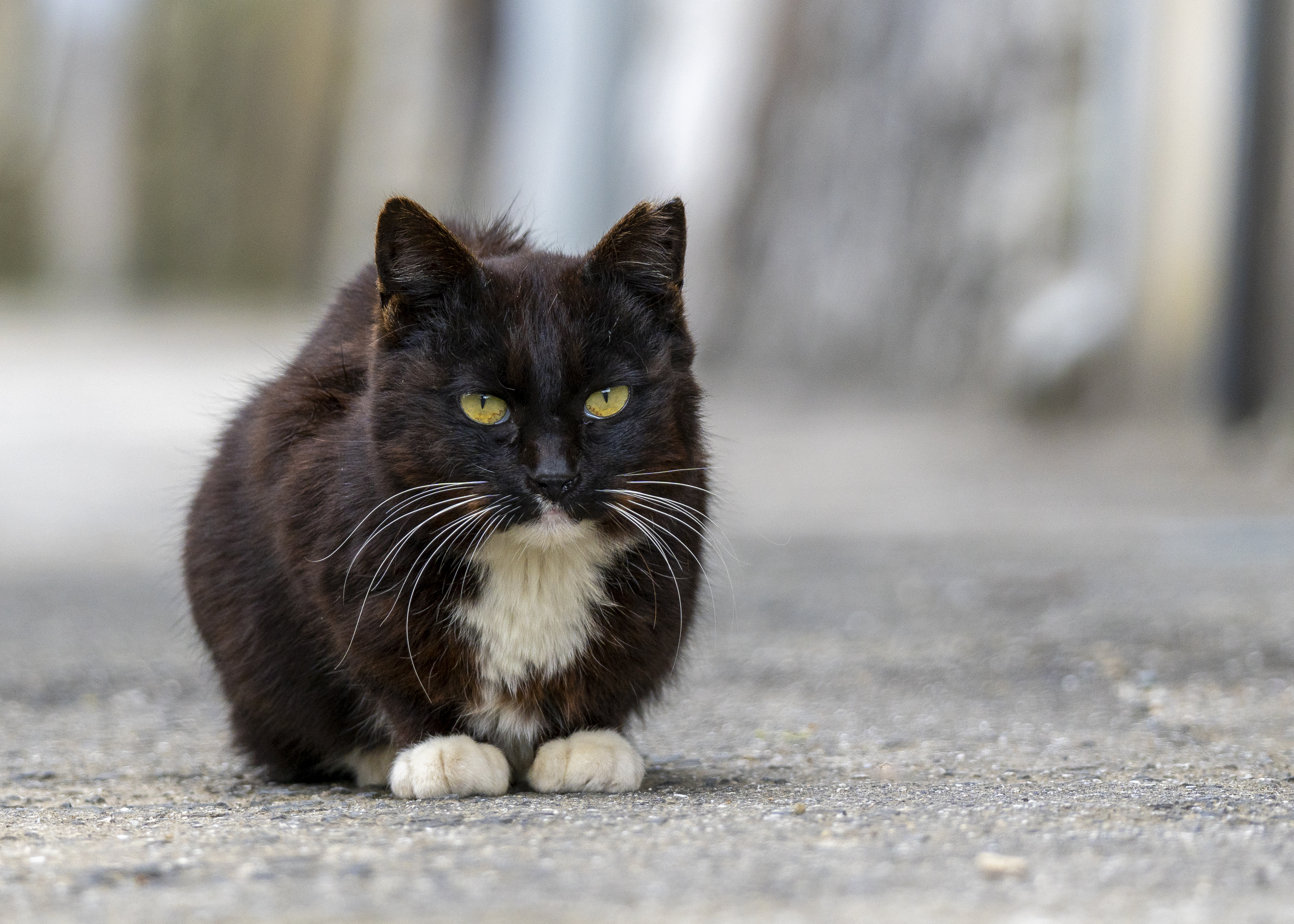
Technically, this would be the eighth of my articles for the local Seouchi Times papers, but I’m skipping one for reasons. This time, I wrote about a trip to a nearby island, Ushima, that hosts local kids once a year to get them more interested in the less accessible parts of Yamaguchi life. I mostly took pictures of cats while I was there.


牛島の魅力を満喫
5月19日に息子と一緒に牛島行ってきました。今回は二回目の牛島探訪の参加となりました。光市の企画で市民が牛島に渡って島の事を満喫できます。
船の旅はまだまだ新鮮な経験と感じるので光市室積港で牛島海運有限会社の船「うしま丸」に乗ると本当にワクワクしました。
瀬戸内海のさわやかな景色とそよ風の味わいが好きでなんとなく到着が早く感じました。でもまた今年は牛島の人々の暖かいおもてなしに感動しました。
人口は少なく色々不便で大変そうだと思いますが島の生活も憧れを感じます。大自然は目の前広がる中、独自の歴史も伝統もある事は島の人の誇りだと思います。牛島の牛鬼伝統も全国で知られるほど有名らしいです。
牛島の皆さんが子供達のためのイベントや体験、遊びを用意してくださり感謝でいっぱいでした。個人的には島の自然が一番の魅力でした。街を歩くと野鳥や昆虫、野良猫を観察でき、海でいろんな生き物も近くまで寄ってきます。カメラマンの天国です。
猫たちが特に気になりました。人間の住民よりも多いのでは・・・と思うほどいました。人慣れしている猫や、すぐ逃げる猫もいて訪れた子供たちもワイワイ追いかけまわっていました。私は「ザ・港猫」のごとく力強い猫に気を取られて気づいたら「猫撮影会」になりました・・・
街歩きの後は皆で山散歩に出て牛島の歴史や伝統を学びながら歩きました。近くの天然記念物モクゲンジの木を見ながら丑森明神のお話しも聞き牛島の歴史の長さや自然の豊かさを実感しました。その後訪れた場所には廃校があって子供たちが「怖っ!」と口々に言いながら通りました。確かに何となく寂しく不気味なところかなと思います。子供がいない町は余計にそう思えるのかもしれません。
でも山に入るとすぐに別世界になります。
山道が狭いと空気が綺麗で海が見えなくなります。野鳥のさえずりと葉風のざわざわという音で癒されましたが牛島の山道の厳しさは舐めちゃいけないと深く感じました。
前回と同じくカメラを抱きながらカラスバトを探しました。でも生息地は別の山にあるらしいので残念ながら見えませんでした。牛島は瀬戸内海の雄一なカラスバト生息地なのでいつか絶対みに行きます!と自分に言い聞かせています。
約一時間歩くと平茂海岸にでました。小石の浜であまり海遊びに向いていません。それでも瀬戸内海の島々がきれいに見えるところなので頑張った甲斐がありました。
山を再び越え街に戻ると牛島コミュニティセンターで島の伝統の紙芝居をみて盛り上がり近くの牛島八幡宮で宝探しもしていたら「牛島探訪」が終わりました。
一日の遊びを準備してくれた皆様に本当に感謝でいっぱいです。ですが体力には限界があります。午後の帰りの船で心地よい疲れからウトウトしてしまいました。子供たちは最後の最後まで元気に走りまわっていました。若いっていいですね・・・
I stepped off the plane in Osaka on June 9, 2004. Though I didn’t know it yet, I was home.
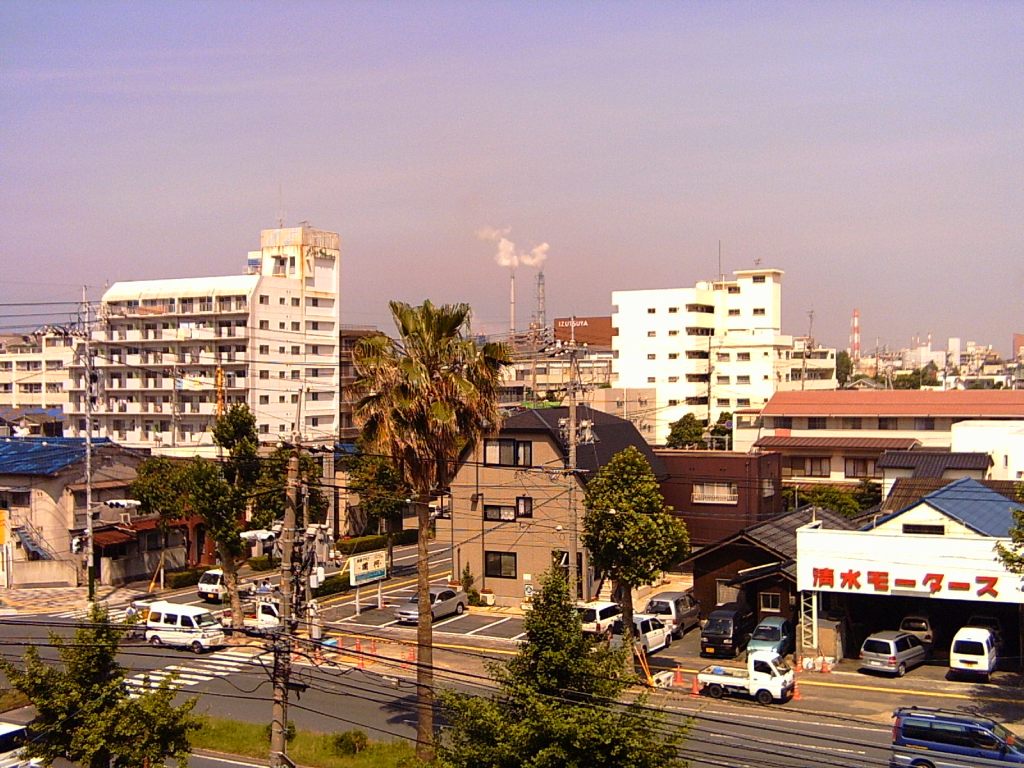
My memories of that first day are blurry. I remember buying my first bottle of “Milk Tea,” syrupy sweet and delightful, at an airport kiosk. Riding the shinkansen for the first time, transferring to the local line, and being terrified I would miss my stop in Ube. Jetlag made that first day a hard one, but I awoke the next morning in JAPAN! It was pretty wild.
The big Shidax (now gone) down the road from my apartment made things easier…

It’s hard to really believe that I’ve lived in Japan for 20 years. I only lived in Kansas, where I was born and raised, for 18. I left the United States for good at 24 (spent a bit of time in Russia and Germany before I came to Japan). I see no reason for me to leave Japan in the future, so it really does seem that this is where my bones will rest.
Looking back on why that might be, I can only say that it feels right. I settled into Japan relatively easily, after the first couple of years. The obvious influence is my marriage (17 years and counting) but even the pace of life and basic values of Japan suited me quickly. Or, perhaps I should say this part of Japan, because Osaka and Tokyo are not for me.
The truly surreal thing is, coming to Japan was never even on my radar as a young man. Apart from a brief anime phase in college, I was not a big otaku or whatever. If anything, I was hoping to live in Europe, given my MA in German Language/Literature. But I was never much a one for plans. I was always the type who took what chances came my way, and the chance to visit Japan came my way.
I’m glad it happened. It’s a nice life for me, and has brought me a wonderful family to boot.
I’m lucky, and grateful.
But man. 20 years. That’s a long time, isn’t it?
 Jim Rion - Translator & Writer