2024 – Stuff I loved

It’s inevitable, I guess, to get retrospective at this time of year. I’ve more or less stopped keeping careful track of things like media consumptionโ€”no Goodreads lists for me, thank youโ€”but it’s still sometimes interesting to review. And so, here is a non-comprehensive list of things that I remember enjoying very much in 2024. Travel, books, TV, whatever, I’m not going to be strict. These are all things that made my 2024 a better year than it would otherwise have been.

First up, I visited Inbe in Bizen, Okayama several times this year. It was wonderful. I met potters, enjoyed the scenery, and learned about its history and culture in a way that was vibrant and exciting.

Another thing that made my 2024 better was engaging more actively and thoughtfully in photography. I’ve written about it before, but even apart from whatever high-minded ideas about “art” or “creativity” people want to layer onto it, the very fact of engaging in a new expressive medium has been great. I have been a “word guy” all my life. Trying to be an “image guy” now is really something special for me.

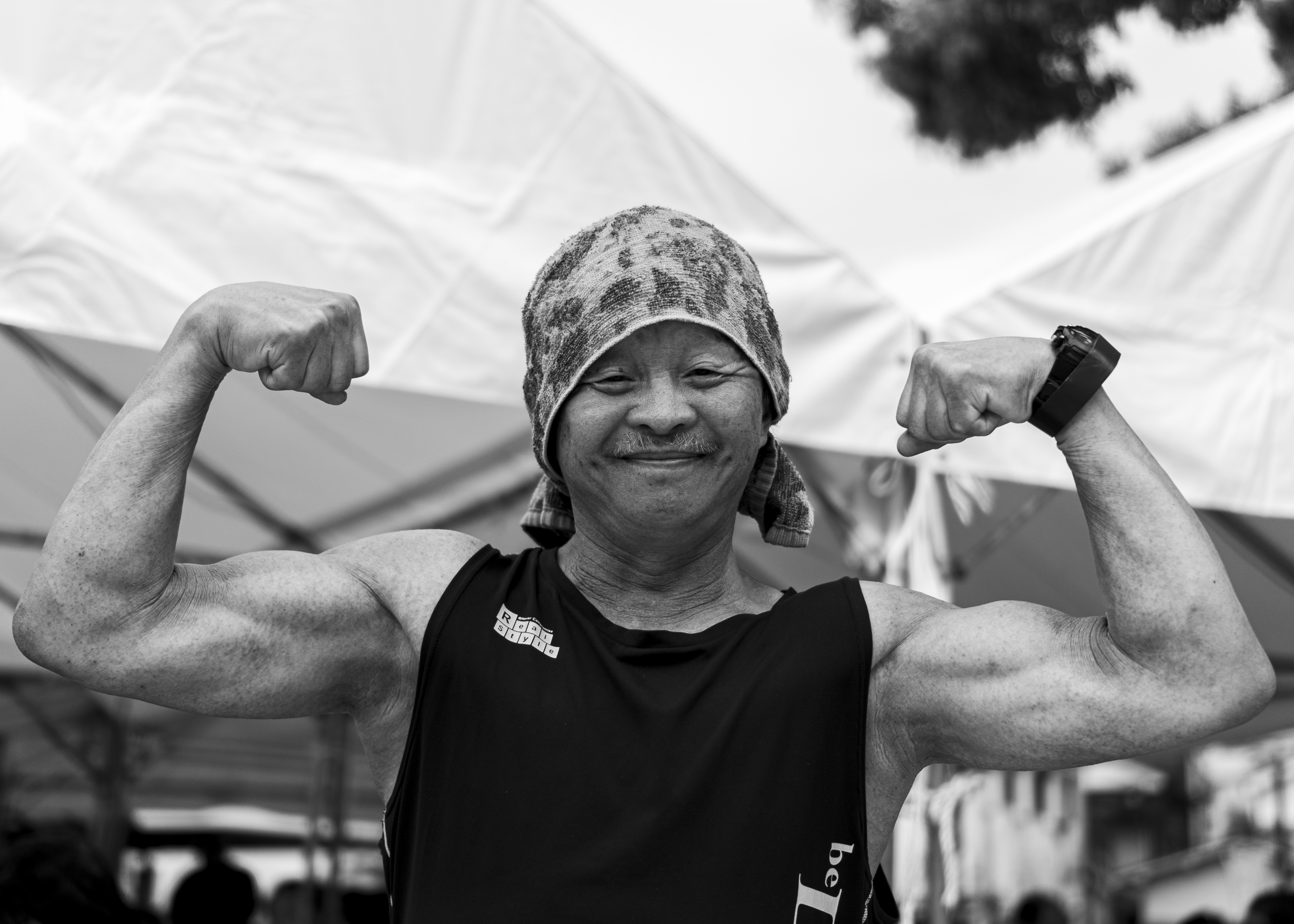
A smiling older man with a mustache. He is wearing a towel on his head, a large watch, and a black tanktop and is flexing his muscular arms.
Macho man

In the world of books, there have been a few standouts. The one that stands largest in my memory is The Saint of Bright Doors by Vajra Chandrasekera, which I reviewed on this blog. There’s not much else to say about it, except that its weight in my memory has only grown with time. Read it.

I also read and loved Premee Mohamed‘s The Siege of Burning Grass. It is a fantasy story set in a world at war, but the central protagonist is a true pacifist despite the brutal social pressures on being a good, patriotic subject of empire. It is a story about the irrationality of war and the true courage that is pacifism, and the pain that occurs when those are placed in irredeemable conflict. I should have reviewed it more thoroughly. It deserves much thought and rereading.

Another standout is the Japanese-language only (so far) horror book Kinkichiho no aru basho ni tsuite (About a certain place in the Kinki region) by Sesuji. It’s a “mocumentary” horror book that presents itself as a collection of research materials for a magazine, but ends up telling a story of generational evil, the terrors of the Japanese countryside, and creepy stuff in general. I loved it. I think the translation rights have been sold, but that is so far unconfirmed.

In related media, I still think about Fake Documentary Q a lot. I wish the book had been better.

Apart from all the old music I mostly listen to (shout out to Eric Satie’s Gymnopรฉdies), the new album I listened to most is Daudi Matsiko’s The King of Misery. It seems perhaps inappropriate to talk about “enjoyment” regarding such an emotionally shredding/shredded work of art, but it is beautiful and alive and well worth listening to.

And, lest anyone get the idea that I went all high-brow and Big-C Cultural in 2024, I also watched the hell out of the Reacher series on Amazon Prime because there’s something unironically appealing about watching a very big man murder the fuck out of the Bad Guys.

What were some things that made your 2024 less terrible?

Tsurezure #8 – Fireworks

I didn’t realize I’d missed so many of these! It was a pretty heavy summer, anyway. But I’m still writing my column for the local Setouchi Times ็€ฌๆˆธๅ†…ใ‚ฟใ‚คใƒ ใ‚น newspaper. This might not have been “the next” but it’s in the series.

This was a summer edition, about getting to photograph the city’s fireworks festival. Fireworks are a summer standard in Japan. This year, I got special permission to photograph from atop a local hotel for a view above the crowds. The article ran in mid September, but I seem to have misplaced it, so no scan. Ah well.

Here are some of the pics:


่Šฑ็ซๅคงไผšใงๅ…‰ใฎๅคใฎๆบ€ๅ–ซ

ใƒฉใ‚คใ‚ชใƒณใ€€ใ‚ธใƒŸใƒผ

7ๆœˆ27ๆ—ฅใซ่™นใƒถๆตœใง่Šฑ็ซๅคงไผšใŒ้–‹ๅ‚ฌใ•ใ‚Œใพใ—ใŸใ€‚ไฝ•ไธ‡ไบบใŒ้›†ใพใฃใฆๅคใ‚’ๆบ€ๅ–ซใงใใŸใงใ—ใ‚‡ใ†ใ‹ใ€‚ๆˆ‘ใŒๅฎถใ‚‚่™นใƒถๆตœใซใ‚ใ‚Šใพใ™ใฎใง่Šฑ็ซๅคงไผšใซใ€Œ่กŒใใ€ใ‚ˆใ‚Šใ‚‚ใ€Œใ„ใ‚‹ใ€ใจใ„ใ†ๆ„Ÿใ˜ใงใ™ใŒใƒฉใ‚คใ‚ชใƒณไธ€ๅฎถใ‚‚ใ‚‚ใกใ‚ใ‚“่กŒใใพใ—ใŸใ€‚

ไปŠๅนดใฏๆ ผๅˆฅใฎ็Œ›ๆš‘ใฎใชใ‹่‹ฅใ„ไบบใฎๆตด่กฃใƒป็”šๅนณๅงฟใ‚’่ฆ‹ใฆๅฑ‹ๅฐใฎๆŽ›ใ‘ๅฃฐใ‚’ๅ‚ใ‚‰ใซ่žใ็„ผใ้ณฅ็ญ‰ใฎๅŒ‚ใ„ใ‚’ๅ—…ใ„ใงใ€Œใ‚ใใ€ๅคใ ใ€ใจ่‚Œใงๆ„Ÿใ˜ใพใ—ใŸใ€‚

ใ‚ขใƒกใƒชใ‚ซใฎๅฎŸๅฎถใ‚ซใƒณใ‚ถใ‚นๅทžใ‚‚ๅคใฏใ‚‚ใฎใ™ใ”ใๆš‘ใ7ๆœˆ4ๆ—ฅใซๅคงใใช่Šฑ็ซๅคงไผšใŒใ‚ใ‚Šใพใ™ใ€‚ใงใ‚‚ๆ—ฅๆœฌใฎ็ฅญใ‚Šใจๅ…จ็„ถ้•ใ†้›ฐๅ›ฒๆฐ—ใงใ™ใ€‚ๅญฃ็ฏ€ใซๅˆใ‚ใ›ใฆ็‰น่‰ฒใฎใ‚ใ‚‹็ฅญใ‚Šใ‚ˆใ‚Šใ€ŒใŸใพใŸใพๅคใ€ใใฎๆ—ฅใซ่Šฑ็ซใ‚’ไธŠใ’ใ‚‹ใ€ๆ—ฅใงใ™ใ€‚ใงใ‚‚ๆ—ฅๆœฌใงใฏๅญฃ็ฏ€ใฎๆฑบใพใ‚ŠใŒๅผทใ„ใฎใง่Šฑ็ซๅคงไผšใ‚„ๅค็ฅญใ‚Šใฏๆœฌๅฝ“ใซ็‰นๅˆฅใ ใจใŠใ‚‚ใ„ใพใ™ใ€‚

ใชใ‚“ใจ่จ€ใˆใฐใ„ใ„ใงใ—ใ‚‡ใ†ใ‹ใ€‚ใใฎๆ—ฅใฎ็‚บใซ็”บๅ…จไฝ“ใŒๆดปๆฐ—ใ‚ใตใ‚Œ็››ใ‚ŠไธŠใŒใฃใŸๆ„Ÿใ˜ใŒๆบขใ‚Œใฆใ„ใพใ™ใ€‚ๅฑ‹ๅฐใฎไบบใŒไธ€็”Ÿๆ‡ธๅ‘ฝไป•ๅ…ฅใ—ใฆ็Œ›ๆš‘ใ•ใฎไธญใงๆ–™็†ใ‚’ใ—ใพใ™ใ€‚ๅธ‚ใฎๆ–นใ€…ใง่จˆ็”ปใ‚’็ซ‹ใฆ้“่ทฏ่ชฟๆ•ดใ—ๅฎ‰ๅ…จใชๅคงไผšใฎ้–‹ๅ‚ฌใ‚’ๆ‹…ใฃใฆใ„ใพใ™ใ€‚ใใ—ใฆไธ€่ˆฌใฎๆ–นใ€…ใซใ‚‚ๆบ–ๅ‚™ใŒใ‚ใ‚Šใพใ™ใ€‚่‰ฒใ€…ใชไบบใŒๅฝฉใ‚Š่ฑŠใ‹ใชๅคๆœใ‚’่ฒทใ„ใซ่กŒใใ€็€ใฆ่กŒใใพใ™ใ€‚ๆบ€ๅ“ก้›ป่ปŠใซไน—ใ‚‹ใ‹ใ€ใฏใŸใพใŸๆธ‹ๆปžใฎไธญ้ง่ปŠๅ ดใ‚’ๆŽขใ—ใฆๆญขใ‚ใ‚‹ใ‹ใ€‚ๆฅใ‚‹ใ ใ‘ใงใ‚‚ๅคงๅค‰ใงใ™ใ€‚

ใใ‚Œใงใ‚‚ๆฏŽๅนด็ถšใใพใ™ใ€‚ใŸใใ•ใ‚“ใฎไบบใŒๆฅใพใ™ใ€‚

็ด ๆ™ดใ‚‰ใ—ใ„ใงใ™ใ€‚

ใงใ‚‚ๅฎŸใฏๅƒ•ใฏๆš‘ใ•ใ‚‚ไบบๆททใฟใ‚‚่‹ฆๆ‰‹ใงใ™ใ€‚่ฆ‹ใ‚‹ใฎใŒๆฅฝใ—ใ„ใงใ™ใŒๅ…ฅใ‚Š่พผใ‚€ใฎใฏใกใ‚‡ใฃใจ้ ๆ…ฎใ—ใฆใ—ใพใ„ใพใ™ใ€‚ไปŠๅนดใฏๆฏๅญใจๅฆปใŒๅคœๅบ—ใง้ฃŸในใŸใ‚Šๆตœใง่Šฑ็ซใ‚’่ฆ‹ใŸใ‚Šใจๆฅฝใ—ใ‚“ใงใ„ใพใ—ใŸใ€‚ๅƒ•ใฏ้‹ใ‚ˆใใฆ้ซ˜ใ„ใจใ“ใ‚ใ‹ใ‚‰่ฆ‹ไธ‹ใ‚ใ—ใฆๅคงๅฅฝใใชๅ†™็œŸใ‚’ๆ’ฎใ‚‹ไบ‹ใŒๅ‡บๆฅใพใ—ใŸใ€‚ๅ€‹ไบบ็š„ใซใฏๅฎŒ็’งใช่Šฑ็ซๅคงไผšใงใ—ใŸใ€‚ๅคใฎ้›ฐๅ›ฒๆฐ—ใ‚’้ ใๆ„Ÿใ˜ใฆๆถผใ—ใ„ใใ‚ˆ้ขจใŒ้€šใ‚Š้ŽใŽใƒชใƒฉใƒƒใ‚ฏใ‚น็Šถๆ…‹ใงใ‚ทใƒฃใƒƒใ‚ฟใƒผใƒใƒฃใƒณใ‚นใ‚’ๅพ…ใคใฎใ‚‚่‰ฏใ„ๅคใฎๆฅฝใ—ใฟๆ–นใ ใจๆ€ใ„ใพใ™ใ€‚

ไปŠๅนดใฏใกใ‚‡ใฃใจใ ใ‘ๅ†™็œŸใฎ่…•ใŒไธŠใŒใฃใฆ่‡ชๅˆ†ใชใ‚Šใซ่‰ฏใ„่Šฑ็ซๅ†™็œŸๆ’ฎใ‚ŒใŸใจๆ€ใ„ใพใ™ใ€‚ใพใ ใพใ ๆบ€่ถณใงใใฆใ„ใพใ›ใ‚“ใŒใ€ใ€Œใพใใ€ๅ‰ใ‚ˆใ‚Šใƒžใ‚ทใ ใชใ€ใจใ€‚ใพใŸๆฅๅนดๆŒ‘ๆˆฆใ—ใฆใ‚‚ใฃใจใ„ใ„ๅ†™็œŸใ‚’ใŠ่ฆ‹ใ›ใ—ใพใ™ใฎใงใ”ๆœŸๅพ…ไธ‹ใ•ใ„ใ€‚ใงใ™ใฎใงใ€ใพใŸๆฅๅนดใฎใŸใ‚ใซ็š†ใ•ใพ้ ‘ๅผตใ‚Šใพใ—ใ‚‡ใ†ใ€‚ๅ…‰ใฎๅคใฎๆบ€ๅ–ซใ€่Šฑ็ซๅคงไผšใฎใŸใ‚ใซใ€‚

Fake Documentary Q and Weaponized Pareidolia

Pareidolia
noun
parยทโ€‹eiยทโ€‹doยทโ€‹lia หŒper-หŒฤซ-หˆdล-lฤ“-ษ™
-หˆdลl-yษ™
: the tendency to perceive a specific, often meaningful image in a random or ambiguous visual pattern

Merriam-Webster Dictionary https://www.merriam-webster.com/dictionary/pareidolia

People who follow me on Mastodon might have seen me mention my recent experiences with the YouTube series Fake Documentary Q (Japanese with English subtitles) and the sleeping trouble it has given me.

In short, FDQ is a “mockumentary” series, though more in the Blair Witch vein than the Spinal Tap one. It poses itself as a product of real research, found footage, and interviews with real people (except, not, because it is, after all, “fake”) and presents many items without editorial comment or even much context.

There may be comments along the lines of “This video was found in the archives of a local television station. We do not know why it was never broadcast.” or “A viewer sent us a request to investigate this website.” There may be narrative discussing how the footage appeared. Or, there may not. Some videos (like the terrifying SANCTUARY) start in medias res. Some are framed as actual documentary footage with a film crew and interviews. Some aren’t even videos, only audio.

Many of them, though, terrify me. They gave me real, hair-on-end chills as I watched, and some continue to do so as I recall their imagery. Not because of anything so direct as blood or ghosts or monsters. No, it is their vague hinting and intentionally raw nature that is so effective. They use the unreliable nature of videoโ€”particularly outdated video media like VHSโ€”to add such a thick layer of confusion and distortion that the mind seeks to fill in the gaps. And the only way we can do that is to posit a world that does not work the way we believe it does.

This is a key tenet of what I might call “classic horror.” The modern genre is scattered and meandering, with splatterpunk and slashers and various in-your-face monsters with clear identities and origins. But the roots lay in tales told around campfires by people who did not know what was in the dark around them. They deal in the horror that comes when the world you see and grasp is revealed to be a thin veneer over a gaping, bottomless chasm of the unknowable. This is the horror of Machen’s The Great God Pan, for example, which has no ghosts or goblins, only a brush with the truly unknowable reality behind the world we know.

When faced with that, we at very best feel humbled. At the very worst, as Lovecraft seems dead set on insisting, we are driven mad by the knowledge of our unbearable tininess in the face of all that is beyond us.

The chill we get from a deep scare, the “frisson of horror” as King puts it in Danse Macabre, comes from the merest glimpse of this. And that is what fills Fake Documentary Q.

All the videos are different. None of them offer any overt connection to the others. But as you watch, some shared threads start to appear that seem to lead to certain conclusions about what might be going on. None of them are comforting.

NOTE: HERE THERE BE SPOILERS. If you ever plan to watch FDQ, go no further. Go in blind. Enjoy the mystery. You have been warned.

Take, for example, distorted faces. The video OBSCURE/ใ‚ชใƒฌใƒณใ‚ธใƒญใƒ“ใƒณใ‚ฝใƒณใฎๅฅ‡ๅฆ™ใชใƒ–ใƒญใ‚ฐ reports on a strange blog left by a photo studio employee. He mentions how a certain customer keeps sending requests to overlay the photo of a woman whose face has been blurred and distorted over various family pictures. The requests continue until, finally, an email arrives that simply reads “Thank you” with a picture of the family, whose faces are now all distorted in the same way.

In the video House of Mirrors/้กใฎๅฎถ, a team member is asked to film all the mirrors in a person’s deceased relative’s house to allay his mother’s delusions that the relative is actually trapped in the mirrors. However, on later review, the video shows the figures of various people reflected behind him, all with faces obscured and distorted.

Another thread is the (possible) doorway to hell. In Film Inferno/ใƒ•ใ‚ฃใƒซใƒ ใ‚คใƒณใƒ•ใ‚งใƒซใƒŽ, a young couple have disappeared. Their video camera is discovered miles away from where they had last been seen, in a filthy beach bag. The camera is broken and charred, but some of the video is restored. The recording shows the couple having a picnic at the beach, swimming and thenโ€”inexplicablyโ€”exploring a cave. They get lost. The video shows them growing increasingly panicked and disoriented, as they discover disturbing dolls and disfigured pictures (another common thread), even music coming from an unknown source. The final clip is simply a distorted, flickering red glow and the horrifying sound of screams.

This echoes Plan C/ใƒ—ใƒฉใƒณ C, which is possibly one of the most viscerally disturbing of the videos. It is an audio recording only, with images laid over to offer a visual aid. It records the final trip of a group of young people who seem to have made a suicide pact. They drive into the mountains, seal their car, and light a charcoal burner to suffocate themselves. The recording goes to the last minute, through their tortured breathing and coughs, until one member begins screaming in horror. The sound of screams amplifies until it becomes a chorus of the damned, then ends. The video concludes with a comment that, when the car was found, it was still sealed from the inside, but no bodies were inside.

In the video BASEMENT, we watch an elevator security video of a woman boarding on the tenth floor of a residential building. As she descends, the video begins to distort, showing other people getting on while she remains alone. The elevator shakes. It moves in odd ways. And, finally, it begins descending endlessly, far beyond the first floor or even any basement. The woman grows increasingly frantic, unable to interact with the outside world beyond a pleading look into the security cameraโ€”the eyes of the viewerโ€”until the elevator stops. It opens onto darkness, and the woman, with no other choice apparent, steps hesitantly out into it and vanishes from sight. The elevator immediately closes its doors and returns to regular function.

Other threads touch on folk horror and curses, the terror of being alone in the mountains, the ominous power of photography, and the unease attached to video that doesn’t act like it should.

But all of these threads rely on only hints. There are things shown that seem meaningful, like countless bamboo spikes driven into the ground or crudely twisted twig figures, piles of clothing in the dark woods or a vaguely human shaped lump under a stained blanket, spreading clots of darkness that could be a face or just a shadow. And this is where pareidolia comes in. Because taken on their own, none of these things have meaning. The voice on the radio repeating “8673” in Sanctuary is simply repeating meaningless numbers, but when we see that they match the birthdate of a character in another video, we feel it must signify. We seek patterns to make sense of the senseless. Just look at the Subreddit or YouTube comments to see countless people desperate to understand more about things that are, inherently, beyond understanding.

The videos are so heavily layered with hints and ambiguity that we are desperate to attach meaning. We need to know if the woman in BASEMENT went to hell or if it was all just an elevator bug. But of course, there is no knowing. Setting aside the fact of these stories’ fictionality, they deal entirely with encounters with a realm which goes beyond mere fact. They offer awe inspiring/awful glimpses behind the curtain of knowing, and therein they find power.

The makers of FDQ seem well aware of this need for meaning and encourage viewers to keep trying. They not only engage by retweeting and liking every single explanation theory that comes at them, without comment or verification, their latest video MOTHER is built around the very idea. It is about a man whose mother disappeared from his house when he was a child. Now, as an adult, he has started receiving mysterious packagesโ€”old CDs, rocks, pictures of various places around Japan and, most powerfully, a video of a woman’s face in unclear closeup, who seems to be writhing in pain or fear in a dark, firelit space. This last, he is convinced, is his mother, and he begins to investigate all the other items for related meaning.

The piece of sedimentary rock must be connected to the pictures of Sakai city, which was once a coal port, and the city where he lived with his mother once had a coal mine. Does this mean his mother is buried, being turned into part of the earth like coal? Or does the picture of a pile of household items including a tennis racket indicate that she is living somewhere else, because she once played tennis?

What on examination is merely a random collection of items becomes, to him, a palimpsest layered with significance and depth, and he is convinced that if he continues to dig, he will find the answers he so desperately needs.

The video ends with no answers found.

The creators know very well what their viewers are digging for for, and are in no mood to give it to them. So, the search continues.

Setouchi Tsurezure #6 – Spring is Come

My sixth column for the local Setouchi Times newspaper was about my encounter with spring at a local park. It was one of my favorites, mostly for the pictures. I spotted a Longtailed Tit couple building a nest from spiderweb and moss, and while I was shooting pictures of them, a tanuki came waddling by. It was nice.


ๅ† ๆข…ๅœ’ใงๆ˜ฅใŒใ‚„ใฃใฆๆฅใ‚‹

ใƒฉใ‚คใ‚ชใƒณใ€€ใ‚ธใƒŸใƒผ

ๅ…ˆๆ—ฅใ€ๅคงๅฅฝใใชๅ† ็ทๅˆๅ…ฌๅœ’ใฎๆข…ๆž—ใธใŠๆ•ฃๆญฉใซ่กŒใฃใฆใใพใ—ใŸใ€‚ๆข…ใฎ่ŠฑใŒใ™ใงใซๆ•ฃใ‚Šใ€็ฉบๆฐ—ใŒใพใ ใพใ ๅ†ทใˆใฆใ„ใพใ—ใŸใ€‚ใใ‚Œใงใ‚‚่‡ช็„ถ็•Œใฎๆ˜ฅใฎ่ณ‘ใ‚„ใ‹ใช็ฉบๆฐ—ใ‚’ใตใ‚“ใ‚ใ‚Šใจๆ„Ÿใ˜ใ‚‹ใ“ใจใŒใงใใพใ—ใŸใ€‚้‡Ž้ณฅใฎใ•ใˆใšใ‚Šใ‚’่žใใชใŒใ‚‰ๅฑฑใ‚’็™ปใฃใฆใ€็€ฌๆˆธๅ†…ๆตทใฎ็œบใ‚ใ‚’ๅ‘ณใ‚ใฃใฆใ„ใ‚‹ใจใ€ใพใ ่‘‰ใฎ็„กใ„ๆœจใซๅฐใ•ใช้ณฅใฎๅ‹•ใใซๆฐ—ใ‚’ๅ–ใ‚‰ใ‚Œใพใ—ใŸใ€‚่ฆ‹ใ‚‹ใจใ‚จใƒŠใ‚ฌใงใ—ใŸใ€‚

ใ‚จใƒŠใ‚ฌใฏๅฐใ•ใใฆไธธใใฆใ€ใจใฆใ‚‚ใ‹ใ‚ใ„ใ„ๅฐ้ณฅใงใ™ใ€‚ๅค–ใ‚’ๆญฉใๅบฆใซใ„ใคใ‚‚ๆŽขใ—ใฆใ„ใพใ™ใ€‚ไปŠๅ›žใฎใ‚จใƒŠใ‚ฌใฏๅŒใ˜ๆ–นๅ‘ใธ่กŒใฃใŸใ‚ŠๆฅใŸใ‚Šใ—ใฆใ€ใใกใฐใ—ใซไฝ•ใ‹ใ‚’ๅ’ฅใˆใฆใ„ใ‚‹ๅงฟใ‚’่ฆ‹ใ›ใฆใใ‚Œใพใ—ใŸใ€‚

ใใ‚Œใงๆฐ—ใฅใใพใ—ใŸใ€‚ๆ˜ฅใฎๅทฃไฝœใ‚Šใ ๏ผ

ใใฃใจใ€ใใฃใจ่ฟฝใ„ใ‹ใ‘ใฆใฟใ‚‹ใจๆข…ใฎๆœจใฎ่‚กใง่œ˜่››ใฎ็ณธใจ่‹”ใงใ‚จใƒŠใ‚ฌใฎๅคซๅฉฆใŒไธ€็”Ÿๆ‡ธๅ‘ฝๅทฃใ‚’ไฝœใฃใฆใ„ใพใ—ใŸใ€‚ๅนธใ„ใซใ‚‚ใ‚ซใƒกใƒฉใ‚’ๆŒใฃใฆใ„ใŸใฎใงๅ†™็œŸใ‚‚ๆ’ฎใ‚Œใพใ—ใŸใ€‚

ใ€Œ่ฆชใŒๅญไพ›ใฎ็‚บใซ้ ‘ๅผตใฃใฆๅฎ‰ๅ…จใชๅฎถใ‚’ไฝœใ‚‹ใฎใฏๅคงๅค‰ใ ใชใ€ใจๆ€ใ„ใชใŒใ‚‰่ฆ‹ๅฎˆใฃใฆใ„ใพใ—ใŸใ€‚

ใ—ใฐใ‚‰ใใ™ใ‚‹ใจ่ฟ‘ใใฎ้“ใซๅคงใใช่Œถ่‰ฒใฎไฝ•ใ‹ใŒ้€šใ‚Š้ŽใŽใพใ—ใŸใ€‚

ใ€ŒไปŠๅบฆใฏใชใซ๏ผŸใ€ใจ่จใ‚ŠใชใŒใ‚‰ใพใŸใใฃใจใ€ใใฃใจ่ฟฝใ„ใ‹ใ‘ใพใ—ใŸใ€‚

ใ™ใ‚‹ใจใ‚ฟใƒŒใ‚ญใ•ใ‚“ใŒใŠใใ‚‰ใๅฐๅทใงใ‚จใ‚ตใ‚’ๆŽขใ—ใŸใ‚ใจใฎๅธฐใ‚Š้“ใงใ—ใŸใ€‚

ๅƒ•ใฎไบ‹ใ‚’ๅฎŒๅ…จใซ็„ก่ฆ–ใ—ใฆ่ฟ‘ใใฎๆคๆœจใ‚’ใ‚ฏใƒณใ‚ฏใƒณใ—ใชใŒใ‚‰ใฎใ‚“ใณใ‚Šๆญฉใ„ใฆใ„ใพใ—ใŸใ€‚ใใฎไธธใ„่ƒŒไธญใ‚’่ฆ‹ใ‚‹ใจใ€Œใตใฃใ€ใจ็ฌ‘ใฃใฆใ€ใพใŸๅ†™็œŸใ‚’ใ„ใฃใฑใ„ๆ’ฎใ‚‰ใ›ใฆใ‚‚ใ‚‰ใ„ใพใ—ใŸใ€‚

ใ“ใ‚Œใ‚‚ๆ–ฐ้ฎฎใช็ตŒ้จ“ใงใ‚ใ‚ŠใชใŒใ‚‰ใ€ใชใ‚“ใจใชใๆ‡ใ‹ใ—ใ„ๅ ด้ขใงใ‚‚ใ‚ใ‚Šใพใ—ใŸใ€‚

ๅƒ•ใฎๅฎŸๅฎถใŒใ‚ใ‚‹ใ‚ซใƒณใ‚ถใ‚นๅทžใงใฏๆฏŽๆ—ฅใฎใ‚ˆใ†ใซ้‡Ž็”Ÿๅ‹•็‰ฉใจ่งฆใ‚Œๅˆใˆใพใ—ใŸใ€‚ใงใ‚‚ๆ—ฅๆœฌใซๆฅใฆไปฅ้™ใฏๆป…ๅคšใซใชใ„ไบ‹ใงใ—ใŸใ€‚ใƒชใ‚นใ‚„ใ‚ฆใ‚ตใ‚ฎใ€้นฟใ€ใ‚ขใƒฉใ‚คใ‚ฐใƒžใชใฉใฎๅญ˜ๅœจใŒใชใ„ๅ…‰ๅธ‚ใฏใ‚ใ‚‹ๆ„ๅ‘ณใงๅฐ‘ใ—ๅฏ‚ใ—ใ„ใจๆ€ใ†ใ“ใจใ‚‚ใ‚ใ‚Šใพใ™ใŒใ€ใ‚ใฎๆ—ฅใ‚„ใฃใฑใ‚Šใ€Œๆ‡ใ‹ใ—ใ„ๅ‹•็‰ฉใŒใ“ใ“ใซใ‚‚ใ„ใ‚‹ใ‚“ใ ใ€ใจๆ„Ÿใ˜ใพใ—ใŸใ€‚

ๅฐใ•ใช็™’ใ—ใจใ—ใฆๆœ‰้›ฃใ„ใฒใจๆ™‚ใงใ—ใŸใ€‚

ใ“ใ‚Œใ‹ใ‚‰่‡ช็„ถ็•Œใฏใพใ™ใพใ™ๅ…ƒๆฐ—ใซใชใ‚‹ใจๆ€ใ„ใพใ™ใ€‚ๅ‹•็‰ฉใ‚‚ใ€ๆค็‰ฉใ‚‚ๅ‹•ใใ ใ—ใฆใ€ๆฎตใ€…ใจ็”Ÿๆฐ—ใ‚ใตใ‚Œใ‚‹ไธ–็•Œใซๆˆปใ‚Šใพใ™ใ€‚ใใฎๆ—ฅใ€…ใฎๅค‰ๅŒ–ใ‚’่ฆ‹ใ‚‹ใจๆ™‚้–“ใฎๆตใ‚Œใจๅญฃ็ฏ€ใฎ็งปใ‚Šๅค‰ใ‚ใ‚Šใ‚’ใ‚‚ใฃใจๆทฑใๆ„Ÿใ˜ใพใ™ใ€‚ไบบ้–“ใŒ่‡ช็„ถ็•Œใ‹ใ‚‰้›ขใ‚Œใฆๆšฎใ‚‰ใ™ใ‚ˆใ†ใซใชใฃใŸ็พๅœจใงใฏใใ‚ŒใŒๅฟ˜ใ‚Œใ‚‰ใ‚ŒใŒใกใฎไบ‹ใงใ‚‚ใ‚ใ‚Šใพใ™ใŒๅฟ˜ใ‚Œใกใ‚ƒใ„ใ‘ใชใ„ไบ‹ใ ใจๆ€ใ„ใพใ™ใ€‚

ไบบ้–“ใ‚‚ใ€่‡ช็„ถ็•Œใซ็ธใŒใพใ ใพใ ใ‚ใ‚Šใพใ™ใ€‚

็š†ใ•ใ‚“ๆ˜ฏ้žๅค–ใซๅ‡บใฆๅคง่‡ช็„ถใŒๆ˜ฅใ‚’่ฟŽใˆใฆใ„ใ‚‹ไบ‹ใ‚’่ฆณๅฏŸใ—ใฆใฟใฆใใ ใ•ใ„ใ€‚

ใใฃใจๅƒ•ใฟใŸใ„ใซ็™’ใ—ใ‚’่ฆ‹ใคใ‘ใ‚‹ใ“ใจใŒใงใใ‚‹ใจๆ€ใ„ใพใ™ใ€‚

A tricky term – ใ‚ชใ‚ซใƒซใƒˆ

Today’s conundrum: Is ใ‚ชใ‚ซใƒซใƒˆ a false friend for “occult,” or not?


In Japan, for example, writers who dabble in horror, mystery, and stories with a weird, dark edge are often labeled ใ‚ชใ‚ซใƒซใƒˆ (okaruto, a direct transliteration of “occult), and there are things like ใ‚ชใ‚ซใƒซใƒˆใ‚ตใƒผใ‚ฏใƒซ (okaruto sa-kuru – occult circles), which are clubs that discuss and share information about things like urban legends (a very common theme on ใ‚ชใ‚ซใƒซใƒˆ websites, it appears), strange true crime stuff, and related fiction.

But calling those “occult writers” or “occult clubs” seems, to me, to have entirely different connotations. I feel like the label “occult” is strongly associated with witchcraft and mystical secrets, rather than “eerie stuff in general.” The dictionary definition tends to point that way, too, but of course dictionaries always lag behind popular usage.

A look at the massive Wikipedia list of “occult writers” in English clearly shows a leaning that way: people like Anton LaVey, Aleister Crowley, Madame Blavatsky, and Simon Magus. More popular writers listed include Lovecraft, Robert Anton Wilson, Carlos Castaneda, and W. B. Yeats. Clearly, these writer seem connected by a focus on mysticism and the secret layers of reality, rather than “could-be-true scary stuff.” Again, this is not any kind of definitive list, but I do think it reflects the popular perception of the word.

The upshot of all this is, if I wanted to write about a Japanese ใ‚ชใ‚ซใƒซใƒˆ writer, what would I call them? An eerie writer? A dark writer? A writer of the hidden world?

I wonder if anyone else thinks about this stuff?